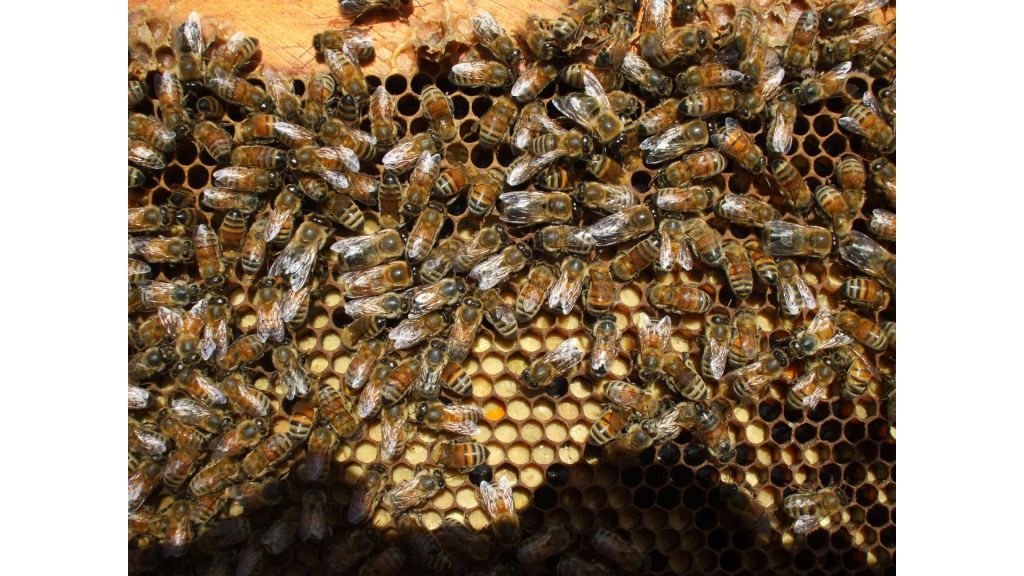
Propolis is one of the most remarkable substances produced in nature, yet it remains relatively unknown compared to honey or royal jelly. Often referred to as “bee glue,” propolis is a resin-like material that honeybees create by collecting sap from trees, plant resins, and botanical compounds, then mixing them with beeswax and enzymes. Inside the hive, propolis serves as a protective barrier, bees use it to seal cracks, reinforce the hive’s structure, and defend against bacteria, viruses, and fungi that could threaten the colony. This natural antimicrobial shield is what first caught the attention of ancient civilizations, who recognized that a substance capable of protecting an entire hive might also benefit human health.
The history of propolis stretches back thousands of years and spans multiple cultures across the globe. Ancient Egyptians were among the first to document its use. They incorporated propolis into the embalming process because of its powerful preservative and antimicrobial properties, which helped slow decomposition. Egyptian priests and healers also reportedly used it in ointments and wound treatments, recognizing its potential to protect damaged skin from infection.
In ancient Greece, physicians such as Aristotle and Hippocrates referenced propolis in medical writings. It was commonly applied to wounds, ulcers, and infections due to its perceived cleansing and healing qualities. Greek healers believed propolis could help reduce swelling and promote tissue repair, uses that surprisingly align with modern research on its anti-inflammatory properties.
The Romans expanded upon Greek medical traditions and brought propolis into battlefield medicine. Roman soldiers were known to carry propolis-based salves to treat cuts and injuries sustained in combat. It was valued for its ability to create a protective barrier over wounds and potentially reduce infection risk during long military campaigns.
Propolis also held an important role in traditional Eastern European and Russian folk medicine, where it was used for respiratory health, digestive support, and skin conditions. In some regions, it became a staple home remedy for sore throats, infections, and immune support. In traditional Chinese and Middle Eastern medicine, propolis was incorporated into herbal preparations designed to strengthen resilience and maintain overall wellness.
During World War II, propolis reportedly regained popularity in parts of Eastern Europe when access to pharmaceutical antibiotics was limited. It was used in field treatments for wounds because of its natural antibacterial properties. While these historical uses were based largely on observation and tradition rather than controlled scientific studies, they laid the foundation for modern interest in propolis as a therapeutic substance.
What Makes Propolis Unique?
One of the most fascinating aspects of propolis is its chemical complexity. Scientists have identified hundreds of active compounds within propolis, including flavonoids, phenolic acids, terpenes, and aromatic plant molecules. These compounds vary depending on the region where bees collect plant resins, meaning Brazilian green propolis, European propolis, and North American propolis can have slightly different compositions and potential benefits.
Flavonoids and polyphenols are particularly important because of their antioxidant activity. Antioxidants help neutralize free radicals in the body, which are unstable molecules that can contribute to oxidative stress and cellular damage. The presence of these plant-based compounds helps explain why propolis has long been associated with immune support and overall wellness.
Today, propolis is commonly used as a dietary supplement and natural health product. Many people turn to propolis for immune support, especially during seasonal illness. Throat sprays and lozenges containing propolis are popular for soothing throat discomfort and supporting respiratory health. Topical creams and ointments are often used for minor cuts, burns, and skin irritation due to propolis’s potential antimicrobial and healing properties.
Oral health is another area where propolis has gained attention. It is sometimes included in natural toothpaste, mouthwash, and oral gels because of its potential ability to help reduce harmful bacteria in the mouth and support gum health. Some individuals also use propolis supplements for general inflammation support and recovery after physical stress.
The Science Behind Propolis: What Research Says
Modern research has begun to explore propolis more seriously, and while studies are ongoing, early findings are promising. Laboratory and clinical research suggests that propolis contains compounds with antibacterial, antiviral, antifungal, and anti-inflammatory activity. Some studies have shown that propolis extracts may inhibit the growth of certain bacteria and help reduce biofilm formation, which is important in both oral health and wound care.
Research has also explored propolis’s antioxidant properties, finding that its high concentration of polyphenols may help reduce oxidative stress markers in the body. Oxidative stress is linked to aging and chronic disease processes, which has fueled interest in propolis as a general wellness supplement.
Several clinical studies have examined propolis in oral health applications. Some findings suggest that propolis-containing mouth rinses may help reduce plaque formation and improve gum health compared to placebo treatments. Other research has looked at topical propolis in wound healing, with some evidence suggesting it may help promote faster tissue repair and reduce inflammation in certain types of minor wounds.
There is also growing interest in propolis’s potential immune-modulating effects. Some laboratory studies indicate that propolis compounds may influence immune cell activity, potentially helping the body respond more effectively to environmental stressors. However, researchers emphasize that more large-scale human clinical trials are needed before definitive medical claims can be made.
One important consideration when choosing propolis or any bee-derived product is the potential exposure to pesticides and environmental contaminants, and understanding how far bees travel helps explain why this matters. Honeybees typically forage within about 1–3 miles of their hive but can travel up to 5–6 miles when resources are limited, meaning they may collect resins, pollen, and nectar from a very large surrounding area. If bees forage on plants or crops treated with pesticides or herbicides, trace residues can sometimes make their way into hive products like honey, pollen, and propolis. Because of this wide foraging range, the local environment and agricultural practices play a significant role in product quality. While many reputable brands test for contaminants and follow strict sourcing standards, not all products are created equal. Choosing propolis from trusted suppliers that prioritize organic or low-spray regions, third-party testing, and transparent sourcing practices can help reduce potential risks, while also supporting responsible beekeeping and sustainable agriculture that protects both bee health and the purity of the products we use.
As interest in natural health and functional wellness continues to grow, propolis stands out as a fascinating example of how nature’s solutions can inspire both traditional remedies and contemporary scientific exploration. Whether used for immune support, oral care, skin health, or general wellness, propolis remains a powerful reminder that some of the most enduring health tools have roots deep in history.
For our family, propolis isn’t just something we read about, it’s something we use every cold and flu season. One product we especially trust is Beekeepers Propolis Spray, which delivers the protective benefits of propolis in a convenient, easy-to-use form. We keep it on hand during the fall and winter months or anytime someone starts to feel that first tickle in their throat. Because it’s crafted with quality bee-sourced resins and designed for everyday wellness support, it’s become a staple in our home-health routine.
👉Check it out for yourself and see the benefits: Beekeepers Immune Support Spray
This post contains affiliate links. If you purchase through my link, I may earn a small commission at no extra cost to you. We only share products our family uses and trusts.

 Free Yourself Daily Hub
Leave a comment