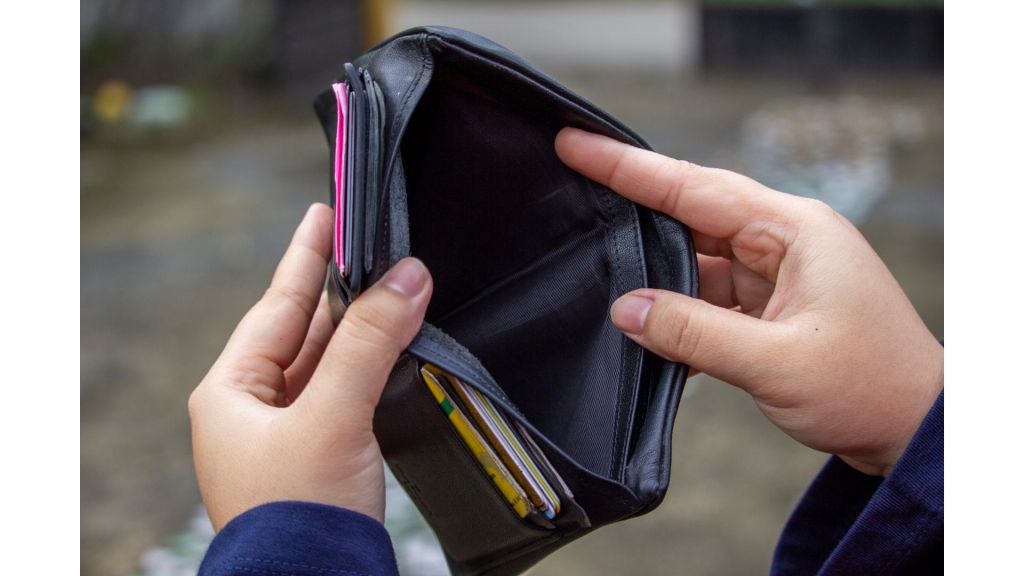
Surveys suggest that up to 63% of Americans cannot cover a $500 expense due to a lack of savings.
That means for a majority of people, a flat tire, a minor medical bill, or an unexpected repair isn’t just inconvenient — it’s destabilizing.
If this is you, it’s okay.
This isn’t about irresponsibility or poor decisions. It’s about rising costs, shrinking margins, and a financial system that never taught people how to build real protection.
If This Is You — You’re Not Alone
Most Americans aren’t struggling because they don’t work hard. They’re struggling because there is no margin for error.
Every paycheck is consumed by necessities — housing, food, insurance, transportation, debt. When life happens, the response isn’t calm planning, it’s reaction.
Credit cards become the emergency fund.
Borrowing becomes the backup plan.
Stress becomes the baseline.
This cycle doesn’t break by hoping nothing goes wrong. It breaks when financial habits change and a safety net is forced into place.
A Mindset Shift That Actually Works
From my previous posts on ‘A Simplified Roadmap to Financial Freedom’, we talk about saving one month of bills — roughly $1,000 to $2,000 — specifically to keep you from grabbing those credit cards when life happens.
That first cushion isn’t about wealth. It’s about control.
From there, the real change begins — a mindset shift.
The Roadmap then discusses getting out of debt by using published and proven recommended methods so that you can start saving for your financial future.
Saving for your future doesn’t happen because you landed a hefty bonus or suddenly have a flood of income. It happens when you:
- Eliminate waste in your own budget
- Pay yourself first (this is the most important)
- Pay your future self by automating contributions
This is where momentum is built.
Every dollar needs a job. Every dollar should make a dollar.
That’s the mentality your future self will thank you for.
Why a Safety Net Changes Everything
A well-funded emergency fund removes risk from your life.
It turns emergencies into inconveniences.
It eliminates panic decisions.
It gives you time — and time is leverage.
When you’re no longer living one expense away from debt, stress drops. Confidence rises. Decisions improve.
I’ve talked in other posts about building starter savings, choosing the right place to keep it, and why this comes before investing. The reason is simple: you don’t build wealth on unstable ground.
What This Looks Like in Real Life
If you keep $1,000 sitting in a traditional checking or savings account earning close to 0% interest, and inflation runs around 3–4%, that money loses $30–$40 in purchasing power every year.
Your account still shows $1,000 — but it buys less groceries, less gas, and less protection than it did a year ago.
Now scale that same decision to a fully funded emergency fund.
If you’ve built $25,000 — roughly a year’s worth of essential bills — and leave it sitting in a low-interest brick-and-mortar account, inflation quietly costs you $750–$1,000 in buying power every year.
Nothing feels different day to day.
But your safety net is shrinking.
Now compare that to placing those same funds in a money market account or high yield savings account earning around 4%.
- $1,000 earns roughly $40 over the year
- $25,000 earns roughly $1,000 over the year
You didn’t take on extra risk.
You didn’t speculate.
You simply stopped your money from decaying.
This is why where you keep your emergency fund matters. Letting cash sit idle doesn’t feel risky — but it is.
Protecting your emergency fund isn’t about chasing returns.
It’s about maintaining buying power while you build stability.
One Way an Emergency Fund Is Actually Built (Without Waiting for a Windfall)
Building an emergency fund doesn’t usually happen because someone suddenly makes more money. It happens because they change habits, redirect cash that’s already leaving their account, and stay consistent long enough for it to compound.
Most people already have money leaking out of their budget — it’s just spread out in places that don’t feel dangerous month to month.
Here’s what that looks like in real life.
On average, U.S. households spend:
- Up to $130+ per month on cigarettes or tobacco (for smokers, often much higher)
- Up to $110+ per month on alcohol, whether at home or going out
- Anywhere from $50–$150+ per month on subscriptions, depending on how many services are active
- About $269 per month eating out
- Around $50-$100+ per month on coffee purchased out
None of these categories are “bad.”
But together, they explain why saving can feel impossible.
If someone trims just a portion of these — not all of them — real money appears.
Cutting:
- $100 from eating out
- $50 from subscriptions
- $50 from alcohol or coffee
That’s $200 per month redirected without touching rent, utilities, or groceries.
At $200 per month:
- $1,000 is built in 5 months
- $3,000 in about a year
And that’s without raises, bonuses, or extra income.
This is how a safety net starts — quietly, predictably, and without drama.
Increase Income Without Increasing Lifestyle
One of the fastest ways people sabotage progress is by upgrading their lifestyle the moment income increases.
A higher-paying role, a new job, overtime, commissions, or side income only helps if your spending doesn’t rise with it.
The goal isn’t to feel rich today.
The goal is to buy stability.
That means:
- applying for higher-paying roles while keeping expenses flat
- using raises to fund savings, not upgrades
- directing bonuses and extra income straight into the emergency fund
You don’t need to double your income.
You need to create margin and protect it.
Look for Extra Earning Opportunities — Temporarily
For many people, cutting expenses alone isn’t enough to move the needle quickly. That’s where temporary extra income helps.
This doesn’t have to be permanent or glamorous:
- overtime
- freelance or contract work
- short-term side jobs
- seasonal work
The key is mindset: this is a season, not a lifestyle.
Extra income isn’t about grinding forever. It’s about accelerating stability so you don’t live on the edge long term.
This Is Not a Quick Process — and That’s Okay
Building a real emergency fund takes time.
For some, it’s 12 months.
For others, it’s 2–3 years.
That doesn’t mean you’re failing — it means you’re doing something sustainable.
Most financial experts don’t recommend holding a full year of expenses in cash. The majority suggest a fully funded emergency fund is about 3–6 months of essential bills, depending on job stability, income type, and household needs.
The goal isn’t perfection.
The goal is protection.
Every dollar added reduces risk.
Every month saved increases control.
The Point Most People Miss
An emergency fund isn’t built because life got easy.
It’s built because you:
- reduced waste
- avoided lifestyle creep
- paid yourself first
- stayed consistent longer than most people are willing to
That’s how financial stress fades — not overnight, but permanently.
What’s Next
Once your emergency fund is built, the most important thing you can do is stay the course.
This is the point where many people lose focus because the urgency fades — but this is also where real progress begins. Your safety net is in place, risk is reduced, and stress no longer drives your decisions.
If you’re wondering what comes next, take time to read my post “A Simplified Roadmap to Financial Freedom.” It pulls together principles from multiple financial experts and focuses on one core idea: taking care of your future self by paying yourself first. In that post, we begin exploring investing vehicles and how money can finally start working for you instead of against you.
If you want to go deeper, one of my recommended reads is Money: Master the Game, which expands on long-term wealth strategies, mindset, and protecting what you build.
And if debt is still part of your story, start with Dave Ramsey’s debt snowball method by reading The Total Money Makeover (Book). Removing debt creates momentum and frees up cash flow — both essential for building and protecting wealth.
This isn’t about perfection or speed. It’s about consistency, discipline, and putting systems in place so your money supports your life — not the other way around.
You’ve done the hard part. Now it’s time to let your plan work.
Have a hard time keeping track of expenses? Try this: Budget Planner
Some of the links shared here are affiliate links, meaning I may earn a commission if you choose to buy through them. This comes at no additional cost to you and helps support my work. All recommendations are based on personal experience or research.

 Free Yourself Daily Hub
Leave a comment