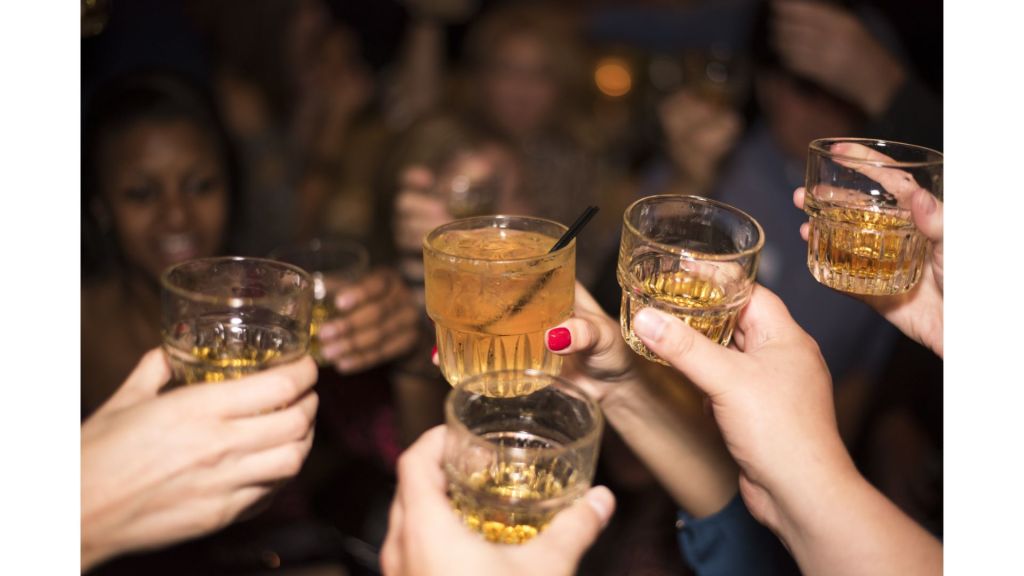
Let’s talk about alcohol — not in a preachy way, not in a “never touch the stuff” way — but in an honest, grounded, real‑life way.
Alcohol didn’t start out with the perception it has today. It has a long history, and understanding that history helps explain how we got to a place where drinking is not only normal, but expected. And while I’m not here to shame drinking, the truth is simple: alcohol is not healthy for the body — even when used consistently and responsibly. Moderation matters. Just for reference, I enjoy a cold one from time to time.
How Alcohol Started (Before It Was a Buzz)
Alcohol is older than recorded history. Long before modern cities, humans figured out fermentation by accident. Fruit and grain naturally ferment when yeast is present, and early humans noticed the effects.
Back then, alcohol wasn’t about getting drunk. It was about survival.
Fermented drinks were often safer than water, which was frequently contaminated. Early beers and wines were low in alcohol and nutrient‑dense. In many ancient cultures, alcohol was closer to food or medicine than recreation. In a way, you could say that alcohol saved modern society.
Civilizations like the Egyptians, Greeks, and Romans all used alcohol in structured ways. Wine was diluted. Excess was frowned upon. Getting drunk regularly wasn’t admired — it was seen as a lack of discipline.
The big shift came later.
When Things Changed: Distillation and Stronger Alcohol
Around the Middle Ages, distillation entered the picture. This allowed alcohol to become much stronger, easier to store, and faster‑acting.
This changed everything.
Instead of mild fermented drinks, societies now had access to spirits like gin, rum, and whiskey. Intoxication became quicker, cheaper, and more intense. Patterns of abuse began showing up in ways they hadn’t before.
One of the clearest examples was England’s 1700s “Gin Craze,” where gin was cheaper than food. Entire communities were affected by daily heavy drinking, leading to crime, neglect, and serious public health problems.
This was one of the first times society voiced concerns.
Early America and the Road to Prohibition
Early Americans drank a lot — beer, cider, and rum were common daily drinks because clean water was hard to come by. Over time, alcohol became stronger and more frequent.
By the early 1800s, alcohol consumption per person was significantly higher than it is today. Along with that came rising domestic violence, poverty, and workplace accidents given the standards of safety at the time.
This is where temperance movements started.
Prohibition (1920–1933) wasn’t just about morality or religion. It was driven by public health concerns, worker safety, and family stability — especially advocated for by women who saw alcohol destroying households.
While Prohibition reduced legal access to alcohol, it pushed production underground. Illegal spirits were often made in unregulated conditions, sometimes using industrial alcohol or hazardous chemicals. Organized crime expanded rapidly, and despite the risks, people continued to drink.
Prohibition failed for many reasons but now came a new challenge, a rebranding!
The Comeback: How Alcohol Was Rebranded
When Prohibition ended in 1933, alcohol wasn’t just illegal anymore — it was socially damaged.
Consumption was low. Trust was low. Alcohol was still associated with:
- Crime
- Domestic violence
- Poverty
- Moral failure
The industry understood something critical:
If alcohol stayed linked to harm, people wouldn’t return to drinking at scale.
So they didn’t just sell alcohol.
They sold meaning.
Phase 1: Alcohol as a Reward (1930s–1940s)
In the decades immediately following Prohibition, advertising leaned heavily into normalcy and respectability.
Common themes:
- “You’ve earned this”
- A drink after work
- A drink at the end of a long day
This wasn’t accidental. It tied alcohol to:
- Labor
- Masculinity
- Responsibility
Drinking wasn’t framed as excess — it was framed as deserved.
A working man having a beer wasn’t indulgent — he was providing, relaxing, resetting.
Phase 2: Masculinity, Brotherhood, and Identity (1950s–1970s)
As television expanded in the 1950s, alcohol advertising exploded into living rooms.
Beer, in particular, became a masculinity product.
Ads portrayed:
- Blue-collar workers
- Athletes
- Soldiers
- Groups of men bonding over beer
The message was subtle but powerful:
Real men drink.
Men who drink together belong.
Beer wasn’t just a beverage — it was identity reinforcement.
If you didn’t drink, you weren’t “one of the guys.”
Phase 3: Women, Sophistication, and Stress Relief (1960s–1990s)
As women entered the workforce in larger numbers, alcohol marketing adapted.
Wine and lighter spirits were marketed as:
- Elegant
- Sophisticated
- A symbol of independence
- A way to “unwind”
This was especially effective because it framed alcohol as:
- Self-care
- Adult maturity
- Emotional relief
Over time, this evolved into what we now see as “wine culture” — especially the idea that alcohol is a tool for coping with stress, not just socializing.
There is a link to this advertising to “Mommy’s little helper pill”
“Mommy’s little helper” originally referred to prescription tranquilizers, especially benzodiazepines like Valium, which were widely prescribed to women starting in the 1950s–1970s and the advertising worked.
Both alcohol and tranquilizers were framed as:
- A way to take the edge off
- A solution for stress and overwhelm
- A socially acceptable coping tool
- Something you “deserve” after doing your job
For men, that job was work.
For women, it was often home, caregiving, and emotional labor.
Different substances.
Same message and the connection…
- Alcohol ads target men: reward, masculinity, hard work
- Doctors prescribe tranquilizers to women for “nerves,” anxiety, or dissatisfaction
- Emotional strain is medicalized or numbed, not addressed
Women weren’t encouraged to rest, rebalance, or change circumstances.
They were given pills.
Men weren’t encouraged to process stress.
They were given beer.
Phase 4: Alcohol as Social Glue (1970s–2000s)
By the late 20th century, alcohol was positioned as a social requirement.
Advertising connected drinking to:
- Parties
- Holidays
- Sporting events
- Weddings
- Wins, losses, and milestones
You weren’t just drinking.
You were celebrating, bonding, belonging.
Not drinking began to feel like opting out of life.
Phase 5: Sports, Entertainment, and Lifestyle Branding (1980s–Present)
Alcohol brands embedded themselves into:
- Professional sports
- Music festivals
- Movies and TV
- Sponsorships and merchandise
Beer and spirits became inseparable from:
- Watching the game
- Tailgating
- Victory
- Team loyalty
Later, social media took this even further.
Now alcohol is marketed as:
- A lifestyle
- An aesthetic
- A personality trait
Craft beer, artisanal cocktails, and influencer content reframed drinking as taste, not intoxication. Don’t get me wrong, amazing tastes but same makeup.
Why This Worked So Well
The industry never argued if alcohol was healthy.
They did something smarter.
They made alcohol:
- Emotional
- Symbolic
- Cultural
- Expected
Instead of asking “Is this good for me?”, people asked:
- “Is this normal?”
- “Is this how adults relax?”
- “Is this how men bond?”
- “Is this how I celebrate?”
Once alcohol was tied to identity, questioning it felt personal.
Why This Matters Today
This history explains why:
- Not drinking can feel awkward
- Drinking feels automatic
- Alcohol is often used for stress, reward, or connection
It wasn’t accidental.
It was built over decades.
And understanding that doesn’t mean you can’t enjoy a drink — it means you get to choose intentionally, not by default..
What the Research Actually Says About Alcohol
Here’s where honesty matters.
Medical and public health research has been consistent on one thing: alcohol is not a health‑promoting substance.
For years, you may have heard that moderate drinking — especially wine — was “good for the heart.” More recent, better‑designed studies have largely debunked that idea. Any perceived benefit was tied to lifestyle factors, not alcohol itself.
What medical guidelines suggest
Most health organizations define moderation as:
- Up to 1 drink per day for women
- Up to 2 drinks per day for men
That’s not a recommendation to drink — it’s a risk threshold.
Even at these levels, alcohol still places stress on the body.
Naturopaths would say that a safe level is no more than 4 drinks per week.
The Truth About Alcohol in the Body
Alcohol is a toxin. The body treats it as one.
That initial buzz happens because alcohol suppresses the nervous system. Shortly after, your body works to re‑regulate:
- Hormones shift
- Blood sugar fluctuates
- Sleep quality drops
- Inflammation increases
You don’t notice this immediately — but your body does.
There are no true health benefits that alcohol provides that can’t be gained through other, safer means.
Consistent Drinking (Not Alcoholism)
You don’t need to be an alcoholic to experience negative effects.
Consistent drinking can:
- Disrupt sleep, even if it helps you fall asleep
- Increase anxiety and low mood over time
- Lower testosterone and affect hormones (this is where the dreaded man boob comes in)
- Reduce recovery and energy
- Impact gut and liver health
- Affect motivation and mental clarity
Many people feel these effects while still being labeled “normal drinkers.”
Binge Drinking: The Bigger Risk
Binge drinking — typically defined as:
- 4+ drinks in a short time for women
- 5+ drinks in a short time for men
— puts significant strain on the heart, brain, and liver.
The body can only metabolize about one standard drink per hour. When alcohol comes in faster than that, it stacks up in the bloodstream.
It increases the risk of:
- Heart rhythm issues
- Blood pressure and blood sugar spikes
- Injury and poor decision‑making
- Long‑term neurological effects
Even occasional binge episodes can leave lasting impact. When associated with stress reduction, the danger here is reduced stress tolerance leading to additional substance needs.
Is There Anything Positive About Alcohol?
This is where the conversation usually gets uncomfortable — because for years, we were told there were benefits.
For a long time, moderate drinking (especially red wine) was framed as heart‑healthy. That idea came from observational studies starting in the late 20th century that showed moderate drinkers had lower rates of heart disease than non‑drinkers.
What newer research uncovered is important: those benefits were not coming from alcohol itself.
When researchers adjusted for lifestyle factors — things like exercise, income, diet, access to healthcare, and social connection — the protective effect largely disappeared. In other words, people who drank moderately also tended to live healthier lives overall.
Alcohol itself does not provide a unique biological benefit.
Red wine does contain antioxidants like resveratrol, but you would need to drink unsafe amounts of alcohol to get a meaningful dose. The same compounds are far more effectively obtained from grapes, berries, peanuts, and other whole foods — without the toxic load alcohol places on the body.
Alcohol can temporarily reduce anxiety and increase sociability, which is why many people associate it with relaxation or stress relief. Biologically, though, this happens because alcohol suppresses the central nervous system. Once it wears off, the body has to compensate — often with disrupted sleep, increased cortisol, and worsened anxiety the following day. I know its a broken record but its worth repeating.
From a medical standpoint, there is no level of alcohol that improves health. Lower amounts simply carry lower risk and your body benefits.
A Realistic Discussion About Alcohol
This isn’t about fear, shame, or telling people what they should or shouldn’t do. I am personally a fan of yuengling and a good bourbon.
Alcohol is a culturally accepted substance with deep historical roots. It plays a role in celebration, social bonding, and tradition. Enjoying a drink doesn’t make someone unhealthy or irresponsible.
But honesty matters.
Alcohol is a toxin. Every time you drink, your body prioritizes metabolizing it and temporarily pauses other processes to do so. That doesn’t mean one drink is dangerous — it means the body always pays a price, even if that price is small.
You don’t need to quit to be healthier.
You don’t need to drink to be normal.
But understanding what alcohol actually does — and doesn’t do — gives you the power to choose moderation intentionally instead of drinking by default.
That awareness alone changes the relationship and your body and future cognition will thank you for it.

 Free Yourself Daily Hub
Leave a comment