How Light Shapes Your Brain, Energy, and Cells
The sun is the original power plant of life on Earth. Its energy fuels nearly every living thing, plants use it to make food, animals eat plants (or other animals), and humans rely on it for vitamin D, energy production, and regulation of our sleep–wake cycles. In many ways, sunlight provides the foundation that keeps life thriving.
But not all light affects us the same way.
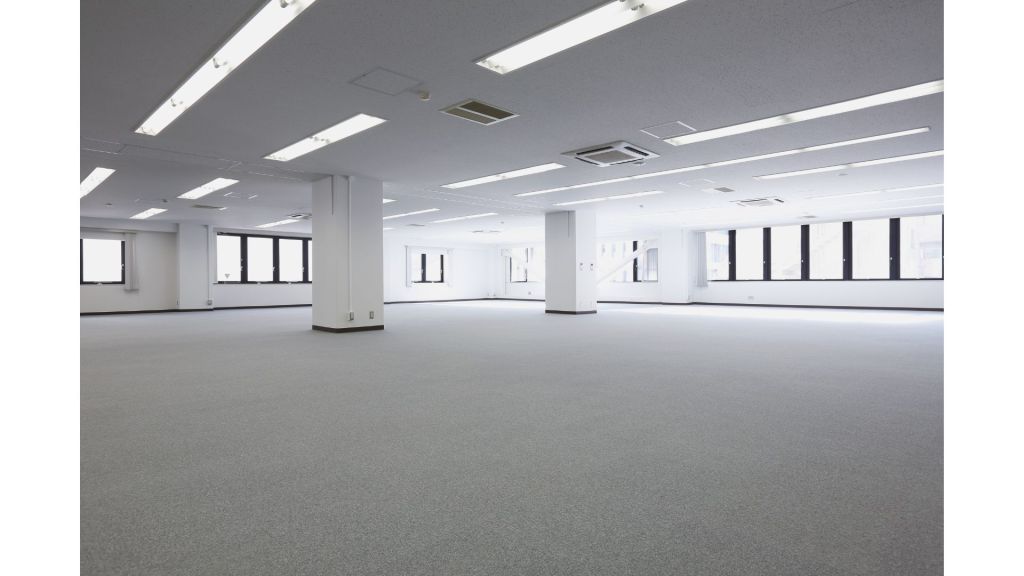
Scientific research shows that bright artificial lighting, especially cool, blue-heavy fluorescent and white LED light, has a powerful effect on the brain and nervous system. Studies have found that this type of lighting can suppress melatonin, increase stress hormones, and keep the brain in a near-constant “alert mode.” In short bursts, this can help with wakefulness and reaction speed, but long exposure has been linked with mental fatigue, eye strain, headaches, restlessness, and difficulty sustaining calm, focused attention.
This matters because light doesn’t just help us see, it directly signals our biology.
The sun itself emits many different wavelengths of light. Some are essential for healthy cellular function, and others can cause damage if we’re overexposed. Modern indoor lighting often gives us a narrow, artificial slice of that spectrum, usually emphasizing stimulating blue and white light while missing other beneficial wavelengths.
That’s where red and near-infrared light come into the picture.
Why Red Light Is Getting So Much Attention
Researchers have identified specific wavelengths of red and near-infrared light that appear to support cellular energy production. This process, often called photobiomodulation, is now available at home through red light therapy (RLT).
Red light therapy uses targeted wavelengths of light, primarily:
- Red light (~660 nm)
- Near-infrared light (~850 nm)
Unlike sunlight, red light therapy delivers these focused wavelengths without ultraviolet (UV) rays, which can be harmful with excessive exposure.
While sunlight contains a full spectrum of light, only a small portion appears to be ideal for supporting mitochondrial activity. Targeted devices like LUMEBOX focus on these specific wavelengths.
Mitochondria: The Powerhouses Inside Your Cells
Every cell in your body contains tiny structures called mitochondria, often described as the power plants of your cells. Their job is to convert oxygen and nutrients from food into ATP, the energy your body runs on.
When mitochondria are supported, you tend to feel:
- More resilient
- More energized
- Mentally sharper
When mitochondrial function declines, the effects can show up as fatigue, brain fog, slower recovery, or low physical and mental performance.
Red and near-infrared light interact with a mitochondrial molecule called cytochrome c oxidase, which may help:
- Support ATP (cellular energy) production
- Assist natural tissue repair processes
- Reduce oxidative stress at the cellular level
This doesn’t “force” the body to do anything unnatural, it encourages normal cellular processes to work more efficiently.
What People Notice From Red Light Therapy
Research and real-world use suggest that red light therapy may help support:
- Healthier-looking skin (collagen support, tone, elasticity)
- Muscle and joint comfort
- Circulation and oxygen delivery to tissues
- Energy, focus, and mood stability
Because mitochondria are in almost every cell, improving how they function can affect multiple systems at once.
Where Indoor Lighting and Red Light Fit Together
Bright fluorescent and white LED lighting tend to push the nervous system into high alert mode. Red and near-infrared light appear to do something very different: they support cellular recovery and energy balance, not stimulation.
One form of light keeps your brain wired.
Another supports your cells.
That contrast is why red light therapy has gained so much interest in athletic recovery, skin health, cognitive resilience, and everyday wellness.
Small changes in your everyday lighting can make a real difference in your mood also.
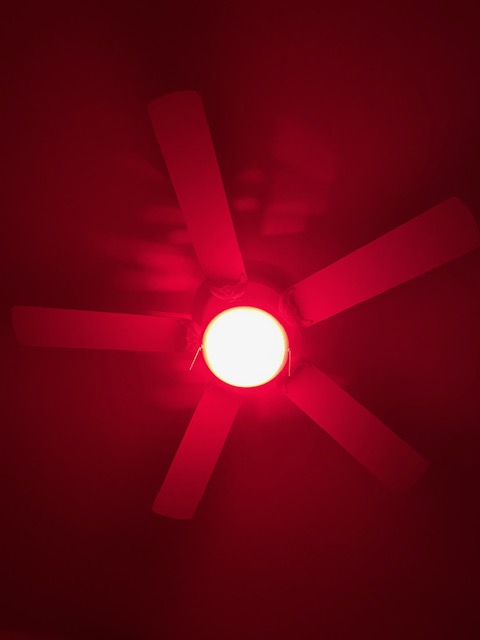
I recently switched my bedroom lighting to red bulbs at night instead of bright white or blue-toned light. Red light has very little impact on melatonin compared to standard LEDs, so it doesn’t confuse your brain into thinking it’s daytime. The result is a calmer nervous system and a smoother transition toward sleep.
I also swapped my normal reading lamp for a red book light in the evenings. That one small change made nighttime reading feel more relaxing instead of overstimulating. It’s a simple way to wind the body down instead of keeping it in “alert mode” before bed.
LUMEBOX and At-Home Red Light Therapy
Red light therapy once required clinical visits that could cost hundreds of dollars per session. Devices like LUMEBOX make it possible to incorporate red + near-infrared light into a home routine.
LUMEBOX features:
- 660 nm + 850 nm light
- Portable, handheld design
- Battery powered
- Larger treatment area than most portable units
- Third-party tested output
- Low-EMF design
Many professionals and athletes now use red light as part of their recovery and maintenance routines.
Modern lighting has changed how our biology experiences light, often keeping us overstimulated and under-repaired. Matching the right light to the right purpose matters.
Bright white and fluorescent lights may help you stay awake.
Red and near-infrared light may help your cells recover.
Red light therapy is a great addition and one of the simplest ways to support your body’s natural energy and repair systems.
Products in this post:
👉Red Bulb Booklight– This was a great item for us because it does not keep my wife awake when I’m reading at night. This is not a red light therapy product but it just helps to keep you calmer at night.
Some of the links in this post may be affiliate links. This means I may earn a commission if you click through and make a purchase, at no additional cost to you. I only share products and services I believe may provide value. Your support helps me continue creating helpful content.

 Free Yourself Daily Hub
Leave a comment