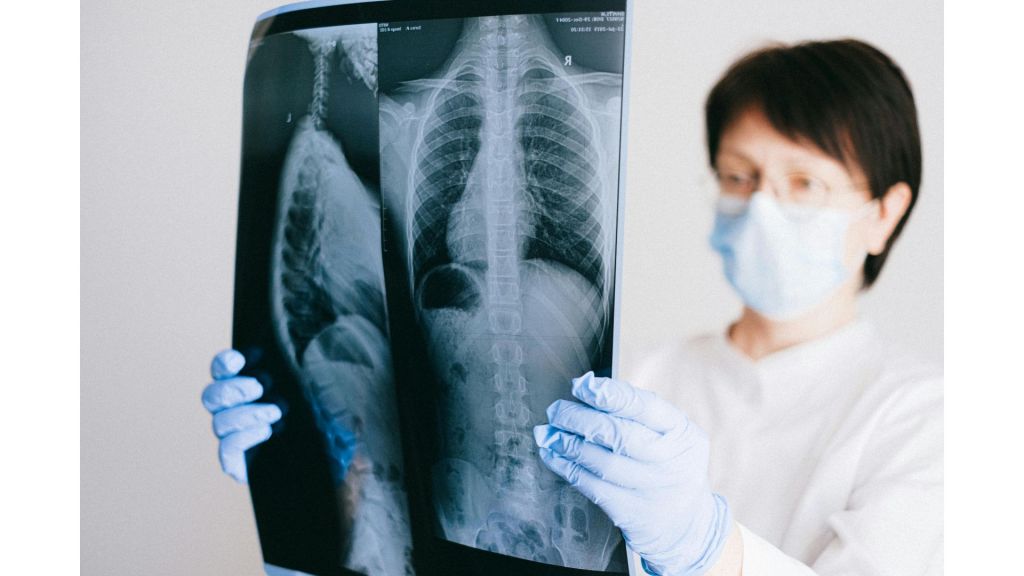
It might sound shocking, but it’s true. A long-term European study, published in the American Journal of Respiratory and Critical Care Medicine, found that women who regularly cleaned with common household products experienced lung damage comparable to smoking a pack of cigarettes a day. These weren’t heavy smokers, they were just keeping their homes tidy.
Cleaning seems harmless, even soothing for some. That “fresh smell” after scrubbing the tub or spraying the counter gives you a little sense of accomplishment. But over time, those chemicals accumulate in your lungs, skin, and even your hormonal system.
The Study: What You Need to Know
The European Community Respiratory Health Survey (ECRHS) followed 6,235 adults over 20 years, tracking lung function through spirometry tests.
- Women who cleaned at home regularly or professionally had accelerated decline in FEV1 and FVC – key measures of lung capacity, compared with women who didn’t clean regularly.
- Effect size: Comparable to 10–20 pack-years of smoking
- Men: No significant effect observed, likely due to lower exposure or different cleaning habits
“Cleaning activities in women, whether at home or as an occupation, may constitute a risk to respiratory health not only in terms of asthma, but also in terms of long-term lung function decline.” – ECRHS Study
Mass-Produced Cleaners: Fast Food for Your Home
Most mainstream cleaning products are designed to be fast, convenient, and visually appealing, not protective of your long-term health. Think of them as the fast food of home care:
- Quick results: Your tub sparkles, your counters shine
- Satisfying scents: Pine, lemon, “ocean breeze”
- Chemical trade-off: Your lungs, skin, and hormones quietly pay the price over time
The good news? Smarter, safer alternatives exist.
Common High-Toxicity Chemicals in Cleaners
- Quaternary ammonium compounds (Quats): Found in disinfectant sprays and wipes. Linked to lung irritation and long-term decline.
- Ammonia & Bleach: Classic bathroom cleaners. Mixing them produces chloramine gas, which can cause dizziness, nausea, or fainting.
- Synthetic fragrances & phthalates: Hormone disruptors that can affect thyroid, reproduction, and metabolism.
- Triclosan & other antibacterials: Disrupt the skin microbiome, weaken immunity, and can interfere with hormone regulation.
- Alkylphenol ethoxylates: Found in some detergents and degreasers, known endocrine disruptors.
Even “antibacterial” or “extra-strength” products aren’t necessarily better for your health.
Hormone Disruption: Tiny Chemicals, Big Impact
Some cleaning chemicals can mimic, block, or confuse your body’s natural hormones – especially estrogen, testosterone, and thyroid hormones. Over time, this constant exposure can quietly throw your system off balance.
Here’s how it happens and where the risks hide:
1. Antibacterial Cleaners (Triclosan, Quats):
- Found in: antibacterial sprays, wipes, soaps, and disinfectants
- Effect: Triclosan can mimic estrogen and disrupt thyroid hormone regulation. Quaternary ammonium compounds (“quats”) are linked to reduced fertility and hormone interference.
- Long-term issue: Continuous use (especially since COVID) means repeated skin and inhalation exposure, which adds up.
2. Fragrance & Air Fresheners (Phthalates, Synthetic Musks):
- Found in: sprays, plug-ins, “fresh scent” cleaners, and detergents
- Effect: Phthalates are endocrine disruptors that interfere with testosterone and estrogen balance.
- Why it matters: They’re absorbed through skin and inhaled, sticking to dust particles that circulate in your home.
3. Degreasers & Glass Cleaners (2-Butoxyethanol, Ammonium Compounds):
- Found in: window sprays, kitchen degreasers, “multi-surface” cleaners
- Effect: These chemicals can interfere with liver metabolism and hormonal detox pathways, adding strain to the endocrine system.
4. Bleach & Ammonia-Based Products:
- Found in: bathroom cleaners, toilet bowl products, and disinfectants
- Effect: Not directly endocrine disruptors, but they can cause oxidative stress that taxes the body’s hormone regulation systems.
- Danger zone: When mixed (bleach + ammonia), they create toxic chloramine gas – which can “knock you out,” irritate lungs, and cause cellular damage.
5. Plastic Packaging Residue (BPA & BPS):
- Found in: many mass-produced cleaners stored in cheap plastic bottles
- Effect: BPA and BPS mimic estrogen and are known hormone disruptors.
- Hidden issue: Even if the formula is mild, the container can leach chemicals into the product over time.
Bottom Line:
A single exposure won’t crash your hormones, but when you’re wiping down the counter daily, spraying air freshener, washing hands with antibacterial soap, and inhaling residue for years… it adds up. These “everyday exposures” are what make a real impact.
Skin Protection: Your Body’s First Line of Defense
Overuse of harsh chemicals can:
- Kill beneficial skin microbes, leaving your skin vulnerable
- Cause dryness, irritation, and inflammation
- Increase chemical absorption, stressing your immune system
Think of it like clear-cutting a forest: remove the natural defenses, and the ecosystem suffers, in this case, your skin and body.
Mixing Chemicals Can Be Life-Threatening
That “cleaning buzz” while scrubbing isn’t just a smell, it can be a chemical reaction happening right under your nose.
Some cleaning combinations are not just irritating… they can be deadly.
Here’s what actually happens when you mix the wrong products:
Bleach + Ammonia → Chloramine Gas
- Common combo: mixing bleach with glass cleaners, toilet bowl cleaners, or “multi-purpose” sprays that contain ammonia.
- Reaction: Creates chloramine gas, a highly toxic vapor.
- Health effects:
- Immediate: coughing, chest tightness, watery eyes, nausea, and dizziness
- Severe: loss of consciousness, fluid buildup in the lungs (pulmonary edema), permanent lung scarring, and even death with heavy exposure
- Long-term: chronic bronchitis, chemical-induced asthma, and reduced lung function
Bleach + Vinegar or Acids → Chlorine Gas
- Common combo: bleach mixed with vinegar, toilet bowl cleaner, rust remover, or even some “natural” acidic cleaners.
- Reaction: Releases chlorine gas, the same type of gas used as a chemical weapon in WWI.
- Health effects:
- Immediate: burning eyes and throat, chest pain, difficulty breathing
- High exposure: brain hypoxia (oxygen deprivation), long-term neurological issues, and lung tissue damage
- Even a single strong exposure can cause lasting sensitivity to fumes and chronic respiratory inflammation
“That Clean Smell” Isn’t Clean at All
That heady, strong “clean” scent that makes your eyes water or your head feel light isn’t a sign of freshness, it’s your body warning you that your respiratory system is under attack. Many cleaning fumes displace oxygen and overwhelm your protective mucous membranes, leading to inflammation in the lungs and brain.
Repeated Exposure = Neurological Stress
Prolonged inhalation of toxic cleaning vapors has been linked to:
- Headaches, brain fog, and memory problems
- Impaired oxygen flow to brain tissue
- Dizziness and balance issues
- Increased risk of neurodegenerative conditions with chronic exposure
You should never mix cleaning products, even “mild” ones. The reactions can be immediate, invisible, and irreversible. If you ever feel lightheaded or short of breath while cleaning, leave the area and get fresh air immediately.
True clean should never come at the expense of your lungs, brain, or long-term health.
How Dangerous Is “Dangerous”?
Think of it like diet: one cookie won’t hurt, but a lifetime of daily sugary snacks adds up.
Smarter, Natural, Safer Cleaning Strategies
You don’t need a hazmat suit – just clean smarter:
✅ Ventilate rooms well while cleaning
✅ Limit fragranced, antibacterial, and spray cleaners
✅ Rotate in natural alternatives: vinegar, baking soda, lemon, castile soap
✅ Moisturize hands and wrists after cleaning
Before modern chemistry took over our cleaning cabinets, people relied on simple, natural ingredients, and they worked. The best part? You can still get that same deep clean without exposing your home or body to harsh toxins. These natural cleaners are inexpensive, effective, and safe for your lungs, hormones, and skin.
Baking Soda (Sodium Bicarbonate)
A mild abrasive and natural deodorizer, baking soda cuts through grime, neutralizes odors, and gently scrubs surfaces without scratching.
Use it for: sinks, tubs, ovens, and as a carpet deodorizer.
Bonus: mix with vinegar for extra fizz when tackling tough buildup (just don’t seal the mixture in a closed container!).
Vinegar (Acetic Acid)
A powerful natural disinfectant and degreaser that breaks down soap scum, mineral deposits, and bacteria.
Use it for: glass, mirrors, countertops, and floors (except marble or natural stone).
Pro tip: add a few drops of essential oils to mask the vinegar smell.
Castile Soap
Made from plant oils like olive or coconut, castile soap is a biodegradable all-purpose cleaner that’s gentle but powerful.
Use it for: dishes, counters, bathrooms, and even hand soap.
Mix it with: water and essential oils for a simple DIY spray cleaner.
Lemon Juice
Naturally acidic and antibacterial, lemon juice helps dissolve grease and leaves a clean, fresh scent.
Use it for: polishing metal, removing stains, or mixing with baking soda for a whitening paste.
Bonus: lemon essential oil has added antimicrobial benefits.
Hydrogen Peroxide (3%)
A safe, natural disinfectant that kills bacteria, viruses, and mold spores without toxic fumes.
Use it for: disinfecting surfaces, cleaning cutting boards, or whitening grout.
Never mix it with vinegar in the same bottle – it can form peracetic acid, which is irritating to lungs.
Essential Oils
Beyond scent, certain essential oils have natural antibacterial and antifungal properties.
Top picks: tea tree (antimicrobial), lavender (calming), eucalyptus (fresh and cleansing), lemon (degreasing).
Use them to: boost cleaning power and make your DIY cleaners smell amazing.
Why Natural Cleaning Works
These ingredients clean by breaking down dirt, grease, and bacteria, not by coating them in chemicals or synthetic fragrances. They’re safe to breathe, kind to your skin, and environmentally friendly. Plus, you can mix most of them right at home for pennies per bottle.
A Better Alternative: Cleaner Comparisons
After learning what’s hiding in traditional cleaners, it’s easy to feel overwhelmed — but there are safer, high-performing options. One example is Truly Free, a brand that’s removed the harsh chemicals, artificial fragrances, and endocrine disruptors found in most mainstream products, without sacrificing cleaning power.
Below, let’s look at how a few Truly Free cleaners compare to their standard, mass-market counterparts.
Window Cleaner
Standard Cleaner (e.g., Windex)
- Ingredients:
- Ammonium Hydroxide → strong surfactant, irritates lungs and eyes
- 2-Butoxyethanol → solvent linked to respiratory and liver damage
- Synthetic Fragrance → possible hormone disruptor
- Dyes & Stabilizers → unnecessary chemical exposure
- Concerns:
- Inhalation irritates lungs and airways
- Synthetic scents can disrupt hormones
- Can trigger headaches or dizziness
Truly Free Window Cleaner
- Ingredients:
- Alkyl Polyglucoside → plant-based surfactant that cuts grease gently
- Deionized Water → pure base, streak-free shine
- Cocamine Oxide → coconut-derived foaming agent
- Decyl Glucoside → biodegradable plant cleaner
- Sodium Benzoate → natural preservative
- Sodium Citrate → stabilizer, softens water
- Benefits:
- Non-toxic and biodegradable
- Safe for lungs, skin, and endocrine health
- Gentle enough for daily use around kids and pets
Bathroom Cleaner
Standard Cleaner (e.g., Clorox or Lysol Bathroom Spray)
- Ingredients:
- Sodium Hypochlorite (Bleach) → strong disinfectant, corrosive to lungs and eyes
- Quaternary Ammonium Compounds (“Quats”) → linked to respiratory irritation and hormone disruption
- Fragrance → synthetic chemicals, potential endocrine disruptors
- Concerns:
- Dangerous if mixed with acids or ammonia
- Long-term use can impair lung function
- Toxic fumes linger in enclosed spaces like bathrooms
Truly Free Bathroom Cleaner
- Ingredients:
- Alkyl Polyglucoside → coconut-derived cleaner
- Deionized Water → gentle solvent
- Citric Acid → natural limescale and soap-scum remover
- Cocamidopropyl Hydroxysultaine → mild surfactant
- D-Limonene → citrus oil for grease removal
- Benefits:
- Naturally disinfects without harsh fumes
- Breaks down soap scum safely
- Leaves a clean, fresh citrus scent from essential oils
Heavy Duty Degreaser
Standard Cleaner (e.g., Formula 409 or Simple Green Industrial)
- Ingredients:
- 2-Butoxyethanol → solvent absorbed through skin, damages red blood cells
- Sodium Hydroxide → caustic alkali, can burn skin and eyes
- Fragrance & Dyes → synthetic chemicals linked to hormone disruption
- Concerns:
- Harsh on lungs and skin
- Long-term exposure may impact liver and kidneys
- Often stored in plastic that can leach BPA
Truly Free Heavy Duty Degreaser
- Ingredients:
- Alkyl Polyglucoside → gentle, coconut-derived surfactant
- Deionized Water → dilutes grime naturally
- Cocamine Oxide & Coco-Betaine → mild foaming agents
- Decyl Glucoside → biodegradable degreaser
- Sodium Sesquicarbonate → mineral-based cleaning booster
- Sodium Benzoate & Sodium Citrate → safe preservatives and stabilizers
- Benefits:
- Tough on grease, gentle on skin and lungs
- Non-toxic and safe for septic systems
- Effective without corrosive solvents
True clean doesn’t come from fumes, dyes, or harsh chemicals. It comes from products that protect both your home and your health. Choosing non-toxic, biodegradable cleaners like Truly Free means less hormone disruption, fewer lung irritants, and no hidden chemical “cocktails.”
Shop Safer Alternatives:
✨Try This! Aunt Fannies Glass Cleaner – We like this product for windows and glass and it cost less!
Truly Free Heavy Duty Degreaser
Another Alternative
Branch Basics Cleaning Essentials Kit
The products listed here are just a few of my favorites, but there are plenty more safe and effective options out there. Both Truly Free and Branch Basics offer full lines of non-toxic cleaning products — from laundry to kitchen to bathroom care — so feel free to click through any of the links and explore what best fits your home and lifestyle.
Everyone’s cleaning routine is different, but the goal is the same: a healthier home without the hidden toxins.
Disclaimer: This post may contain affiliate links. If you make a purchase through these links, I may earn a small commission at no additional cost to you. I only recommend products I personally use or believe in. Thank you for supporting this site and helping keep this content free.

 Free Yourself Daily Hub
Leave a comment