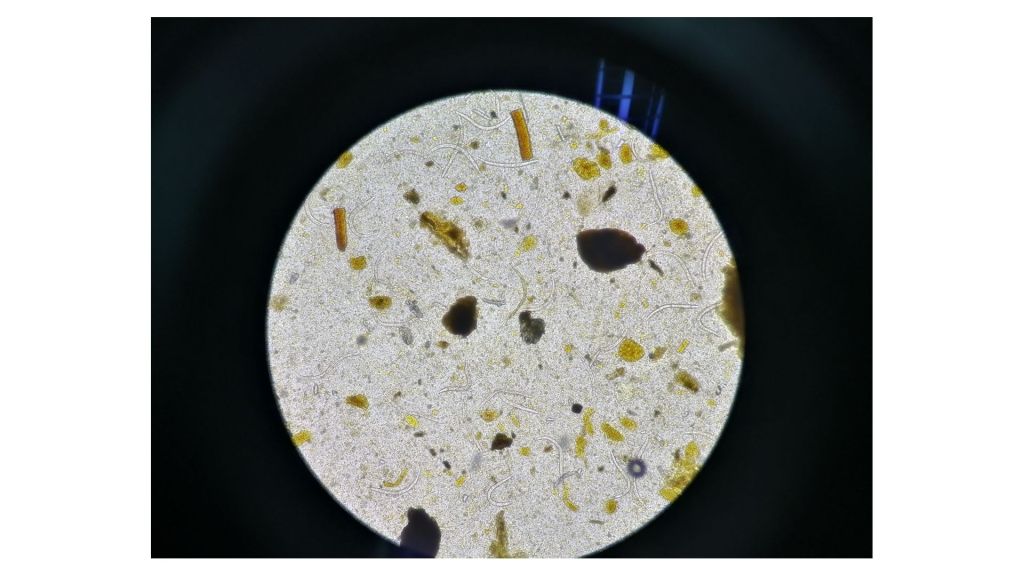
When most people hear the word parasite, they think of faraway places or extreme cases — but many of us encounter them more often than we realize. These microscopic invaders can live in water, food, soil, and even on surfaces we touch daily.
Here’s a look at how common they actually are in the U.S.:
| Parasite | Estimated prevalence | “1 in X people” | Common source |
|---|---|---|---|
| Pinworm (Enterobius vermicularis) | 20–40 million infections/year | 1 in 8–16 | Contaminated hands, bedding, clothing (especially in kids) |
| Toxoplasma gondii | ~11% of Americans | 1 in 9 | Undercooked meat, cat feces |
| Giardia | ~2 million cases/year | 1 in 165 | Contaminated water, lakes, or daycare centers |
| Cryptosporidium | ~750,000 cases/year | 1 in 440 | Pools, lakes, drinking water |
| Roundworm / Hookworm / Whipworm | Rare in U.S. | <1 in 1,000 | Soil or travel exposure |
How We Come Into Contact
- Food & water: Undercooked pork, beef, fish, and untreated water are major culprits.
- Hygiene & surfaces: Pinworms spread quickly in schools and homes.
- Animals: Cats, dogs, livestock, and contaminated soil can harbor eggs or larvae.
- Travel: Visiting countries with lower sanitation increases exposure risk.
Do You Have to Swallow It to Get It?
Here’s the surprising truth – you don’t have to drink a mouthful of lake water to get parasites. Sometimes it takes just a few invisible eggs or cysts, and they can sneak in easier than you think.
How They Actually Get Inside
- Accidental swallowing: Even a few drops of lake or pool water can carry Giardia or Cryptosporidium – microscopic parasites that attach to the intestines and cause bloating, cramping, and fatigue.
- Unwashed hands: Touching pets, soil, or bathroom surfaces can transfer microscopic eggs that enter when you eat or touch your mouth.
- Food prep: Raw fish (like sushi), rare meats, or even salad greens rinsed in unfiltered water can carry parasite cysts that survive stomach acid.
- Skin contact: Certain larvae, like hookworm, can burrow through bare feet or open pores when walking on contaminated soil.
- Insect Bites: The parasite is injected directly into the bloodstream through the bite.
You can’t always see them, but they can survive days or even weeks on surfaces, under fingernails, or in moist environments like bathrooms.
Can You Avoid Them by Not Touching Your Mouth?
Absolutely, that alone cuts your risk dramatically.
Parasites need an entry point, and for most, it’s your mouth. Avoiding nail biting, washing hands before meals, and keeping kitchen and bathroom areas clean can stop infections before they start.
It’s not about being “germ-free” – it’s about breaking the transfer cycle:
surfaces → hands → mouth.
The Surprise Symptom Nobody Talks About
If your backside itches at night, here’s the twist: it might not just be dry skin.
Female pinworms actually crawl out of the rectum while you sleep to lay microscopic eggs — which causes that intense nighttime itch.
Those eggs can transfer to hands, sheets, or clothing, and if they make their way back into your mouth, the cycle starts all over again.
😳 It’s one of the most common parasitic infections in the U.S., especially in children, yet rarely talked about.
What Parasites Do to the Body
Symptoms vary by type, but parasites can cause:
- Digestive issues (bloating, cramping, diarrhea, weight loss)
- Fatigue or brain fog
- Itching or rashes
- Nutrient deficiencies (from the parasite absorbing what you eat)
- Sleep disturbances — especially with pinworms, which are active at night
If You Think You Might Have a Parasite
Start with testing, not guessing. Stool tests or blood panels from a doctor or functional practitioner can identify what you’re dealing with.
🌿 Supportive Foods
Certain foods can help create an environment parasites don’t like:
- Garlic, pumpkin seeds, papaya seeds, and oregano have natural anti-parasitic compounds.
- Fiber-rich fruits and vegetables help keep the digestive tract moving.
- Probiotics (yogurt, kefir, fermented foods) support gut balance.
🚫 Foods to Avoid
- Undercooked pork, fish, or wild game (sushi, ceviche, and rare meats can carry larvae).
- Unwashed produce or food prepared in unsanitary conditions.
- Refined sugar and processed foods, which can feed harmful organisms.
A Note on Detoxes and Cleanses
While parasite cleanses are popular online, not all are safe. Harsh or prolonged cleanses can:
- Dehydrate the body
- Disrupt electrolytes
- Overload the liver
- Kill off beneficial gut bacteria
If you’re considering one, work with a qualified practitioner and look for evidence-based formulations.
Ivermectin: The Misunderstood Parasite Breakthrough
Though often misrepresented in recent years, ivermectin was one of the most important medical discoveries in parasite treatment.
Developed from a soil bacterium in the late 1970s, it became a safe, effective, and low-cost medication that helped eliminate many harmful diseases caused by parasites around the world (such as river blindness and elephantiasis).
Beyond that, it’s used to treat intestinal worms, scabies, and lice, and remains on the World Health Organization’s list of essential medicines.
In 2015, its discovery earned Dr. Satoshi Ōmura and Dr. William C. Campbell the Nobel Prize, recognizing its life-saving global impact.
Important Reminder
Never self-diagnose and never self-medicate.
Many parasitic infections have similar symptoms to other gut or immune issues. Misuse of medications or harsh cleanses can do more harm than good.
Always work with a qualified healthcare professional who can properly test, identify, and guide safe treatment.
Simple Ways to Limit Exposure
You can’t avoid every germ or parasite out there, but you can make it much harder for them to find a way in. Small habits make a big difference:
✅ Wash hands often, especially before eating or after handling pets.
✅ Keep nails trimmed and clean – eggs can hide under fingernails.
✅ Don’t reuse bath towels – they can hold microscopic eggs or larvae.
✅ Wash bedding and underwear frequently in hot water.
✅ Rinse produce well, even if it’s labeled “pre-washed.”
✅ Cook meats and seafood thoroughly – no pink pork or raw fish.
✅ Wear shoes outdoors to avoid soil-borne parasites.
✅ Avoid swallowing water when swimming in pools, lakes, or rivers.
✨Drink filtered or purified water – it helps remove microscopic parasites and cysts that can slip through untreated or well water.
👉Check out the Clearly Filtered Water Pitcher on my “Recommended for You” page.
Protecting yourself isn’t about fear, it’s about awareness.
A few mindful habits can keep your gut, immune system, and body working exactly as nature intended.
This post may contain affiliate links. That means if you purchase through one of these links, I may earn a small commission at no extra cost to you. I only recommend products I personally use and trust, and your support helps keep this site running.

 Free Yourself Daily Hub
Leave a comment