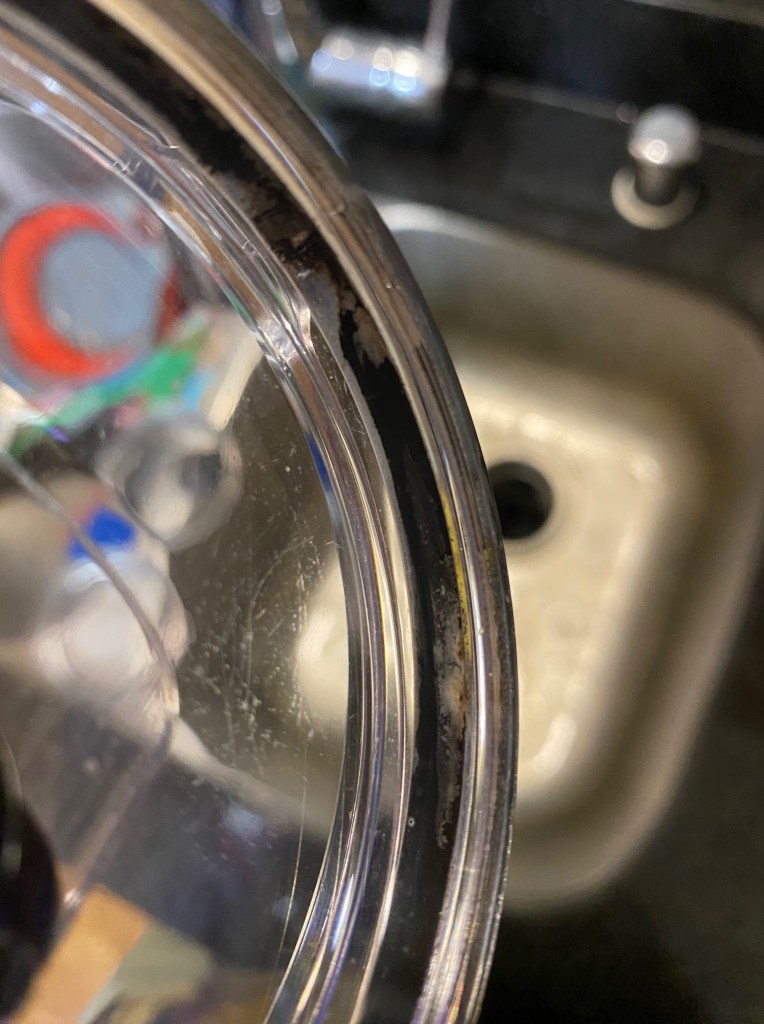
Mold is all around us, but it can hide in the last place you’d think – your water bottle. Straws, lids, and especially silicone rings trap moisture, creating the perfect environment for mold and bacteria to grow.
Even if you can’t see it, mold can still affect your health. For me, it shows up as allergies and a constant sluggish feeling, but it can also cause digestive upset, headaches, fatigue, or respiratory irritation.
👉 Check your silicone ring – the one you’ve probably been tossing through the dishwasher without ever fully breaking it down. That little piece is a major mold hotspot.
The Most Common Mold in Reusable Bottles
Cladosporium
- Appearance: Usually black, brown, or green.
- Where it’s found: Indoors on damp surfaces, wood, textiles, even HVAC systems; outdoors in soil and plants.
- Health effects: Can trigger allergies, coughing, sneezing, itchy eyes, and worsen asthma.
- Kids’ risks: Children with asthma or seasonal allergies may be especially sensitive, leading to flare-ups and more frequent breathing difficulties.
Penicillium
- Appearance: Blue, green, or white fuzzy growth.
- Where it’s found: On food (bread, fruit, cheese), wallpaper, insulation, and damp building materials.
- Health effects: Can cause sinus irritation, respiratory issues, and allergic reactions. Some species produce toxins that weaken immune defenses over time.
- Kids’ risks: Young kids are more likely to develop sinus infections or chronic stuffy noses from repeated exposure.
Aspergillus
- Appearance: Black, green, yellow, or gray, depending on the species.
- Where it’s found: Common in soil, dust, air ducts, insulation, and decaying vegetation.
- Health effects: Some species are harmless, but others produce mycotoxins that can irritate the lungs or even cause infections in people with asthma or weaker immune systems.
- Kids’ risks: Children exposed may develop persistent coughs, wheezing, or chest tightness; those with asthma may have more frequent attacks.
What About Black Mold?
Black mold is most commonly Stachybotrys chartarum (sometimes called Stachybotrys atra).
- Appearance: Dark greenish-black, thrives on constantly wet materials like drywall or wood.
- Health effects: Produces mycotoxins that can irritate the skin, eyes, and respiratory system.
- Note: It’s less common in bottles than in water-damaged buildings, but leaving a cup damp and uncleaned for long periods could allow it to grow.
How Else Mold Affects Your Health
Beyond what grows in your cup, mold exposure in general can impact your entire body:
- Respiratory issues – coughing, sneezing, wheezing, asthma flare-ups
- Digestive problems – nausea, stomach cramps, gut imbalances
- Immune suppression – making it harder to fight off illness
- Fatigue & headaches – from toxic byproducts called mycotoxins
We will cover more aspects of mold in later posts, such as how certain molds can affect your fertility.
Why Parents Should Be Careful
Kids are more vulnerable to mold than adults because their immune and respiratory systems are still developing. Even small amounts of mold in a cup can trigger:
- Sneezing, runny nose, itchy eyes
- Coughing, wheezing, asthma flare-ups
- Sinus infections or digestive upset
Why I Switched to the Owala Cup
✨ Fewer hidden parts = less chance for mold
✨ Easy to break down and wash completely
✨ Fits perfectly in cup holders – no more rolling bottles on the floor
✨ Durable, keeps drinks cold, and stays fresh
Click here to try it for yourself: Owala Freesip Sway Water Bottle 40oz
Hydration should make you feel better, not worse. The Owala cup keeps it simple, safe, and mold-free. 💧
This post contains affiliate links, which means I may earn a small commission if you choose to purchase through them. It helps support my page and keeps content like this coming!

 Free Yourself Daily Hub
Leave a comment