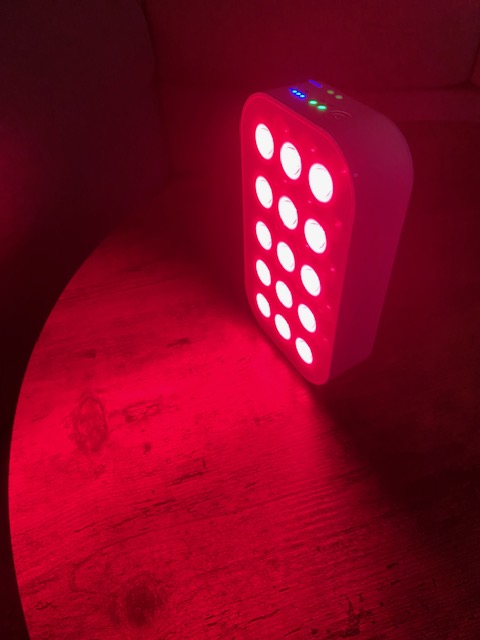
In my last post, I shared why I’m supporting LUMEBOX and how red + near-infrared (NIR) light works at the cellular level. This is Part 2, focusing on what that really means for your body in everyday life.
Mitochondria: Your Cellular Powerhouses
Mitochondria are like tiny engines inside almost every cell in your body. Their job is to take oxygen and nutrients from food and convert them into ATP, the energy currency your body runs on. When they’re healthy, you feel strong, sharp, and resilient. But when they slow down, the effects ripple through nearly every system.
What happens when mitochondria underperform?
- Less energy: Cells produce less ATP, leaving you feeling drained or sluggish.
- Cellular stress: Struggling mitochondria can release byproducts that add stress and may drive inflammation.
- Slower repair and performance: With less energy, your muscles, brain, and organs can’t function or recover as efficiently.
Common signs of sluggish mitochondria
- Chronic fatigue-even after a full night’s sleep
- Brain fog or difficulty concentrating
- Muscle weakness or poor exercise recovery
- Hormonal imbalances
- More frequent illness or lowered immunity
- Other symptoms like cold hands/feet, digestive issues, vision changes, or unexplained weight gain
What causes mitochondrial dysfunction?
- Aging: Natural decline in efficiency as we get older
- Poor diet: High sugar and processed foods can overwhelm mitochondria and add to inflammation
- Environmental toxins: Pesticides, heavy metals, and pollutants can damage enzymes inside mitochondria
- Chronic stress: Elevated cortisol can interfere with repair and recovery
- Lack of sleep: Poor sleep reduces ATP output and repair time
- Infections: Viruses or bacteria can disrupt energy production
Where red light therapy fits in
The sun emits many wavelengths of light, some helpful and others less so. Red light therapy (LUMEBOX) focuses on just two beneficial ranges:
- Red light (around 600–700 nm): absorbed at the surface and just below the skin, often connected with skin health and circulation.
- Near-infrared light (around 800–1000 nm): penetrates deeper into muscles, joints, and tissues to support energy production and recovery.
These wavelengths can help mitochondria function more efficiently, assisting the body’s natural repair and maintenance processes.
Practical benefits and how it may help
- Aches and certain injuries (like a sore knee): Red + NIR light can penetrate into joint and muscle tissue, helping cells maintain their normal function and supporting recovery pathways. Many athletes, including football stars like Erling Haaland and Cristiano Ronaldo, incorporate red light therapy into their routines for recovery and performance.
- Energy boost: By supporting mitochondrial ATP production, cells have more energy. Some people, like me, enjoy sitting in front of the light with a shirt off, letting it shine directly on the body to maximize exposure. Research also shows this can help enhance energy levels for workouts and daily tasks.
- During sickness or stress: When your body is run down, mitochondria are working harder. Red light therapy can help them function more efficiently, supporting natural resilience and helping maintain overall wellness.
- General wellbeing: Since mitochondria exist in nearly every cell, supporting them may contribute to healthier skin, muscles, joints, and overall vitality. Doctors report that RLT can assist with tissue health, circulation, and recovery, while scientific studies indicate benefits for muscle performance and reduced post-exercise soreness.
Beyond mitochondria: Broader benefits of red light therapy
While much of the focus is on boosting mitochondrial energy, research suggests red + near-infrared light may also:
- Calm inflammation and oxidative stress – helping tissues recover and lowering cellular strain
- Support skin health – by promoting collagen production and cell regeneration
- Improve circulation – aiding oxygen and nutrient delivery to muscles and organs
- Enhance recovery – reducing muscle soreness and supporting post-exercise repair
- Regulate melatonin – improving sleep quality and overall mood balance
These benefits all connect back to healthier cellular function, showing up in many areas of life, from energy and recovery to skin vitality and deeper rest.
LUMEBOX makes it possible to incorporate red + NIR light therapy into a simple daily routine, from home recovery to wellness maintenance, all supported by FDA registration as a Class II medical device.
Click the link on my side bar to see the special offer on LUMEBOX.
Disclaimer: Some of the information in this post was sourced from the official LUMEBOX website. As a LUMEBOX affiliate, I may earn a small commission if you choose to purchase through my links—at no extra cost to you.

 Free Yourself Daily Hub
Leave a comment