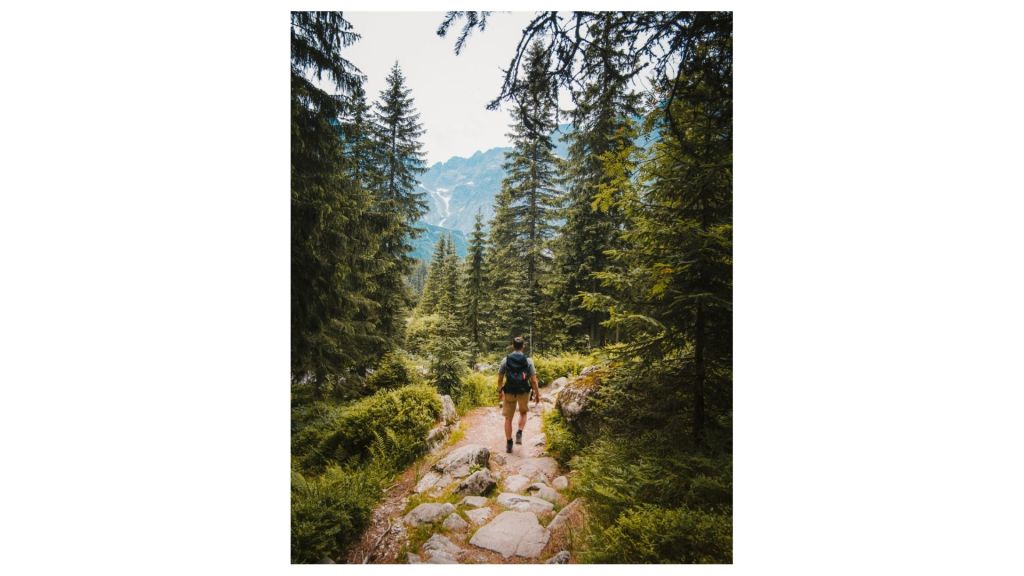
You just want to get away from the daily grind – clear your head, breathe fresh air, and free yourself back to nature. So you plan a hike. Maybe it’s a national park. You arrive early in the morning, lacing up your boots as the sun peeks over the trees. The trailhead is quiet, the air is crisp, and you’re excited to see waterfalls, overlooks, or those hidden gems tucked away in the woods.
But here’s the thing: most people who get lost on hikes start their day just like this. They’re not reckless or unprepared on purpose. They just underestimate how easy it is to lose the trail, how quickly daylight fades, or how one wrong turn can change everything.
Getting Lost Happens More Than You Think
- Thousands of rescues happen every year in U.S. National Parks. After 2020, there was a 65% increase in missions – even as staffing levels fell.
- In Colorado alone, trails see 2,800–3,000 rescues annually, mostly due to injuries, getting lost, or unexpected conditions (up to 4,800 in 2023).
- In Washington state, search-and-rescue missions spike by 400–550% during peak hiking months. Many involve hikers who underestimated trail difficulty or lost the path.
- The #1 cause of hikers getting lost: wandering off trail (≈ 41% of cases). Fatigue, weather, and darkness make things worse.
- Searches can last hours – sometimes days. One hiker in Washington survived nearly a week after falling and losing his way while attempting a shortcut.
- Hunters are no different. Some estimates suggest upwards of 10,000 rescues a year involve hunters, largely because they rarely stick to established trails and can easily become disoriented in dense terrain.
A Real-World Lesson: GPS Saves the Day
When I was younger, I went on a hunting trip with my dad in Wisconsin. Our group split up – I went with someone carrying a GPS, while the others thought the forest trails were obvious enough to follow without it.
Hours later, the sun had gone down. Darkness made the forest even more confusing, and the others had wandered off course. By the time we finally reconnected, the guys without GPS had ended up on the side of the highway, miles from where we started. No cell signal, no lights in the distance, no help.
That day taught me something important: a GPS isn’t just a fancy gadget. It’s peace of mind. You don’t think you’ll get turned around until you do – and once it’s dark, being lost can turn a fun outing into a dangerous situation fast.
Freeing yourself is about balance, peace, and less stress – and getting lost or injured without help does neither.
The 3 Essential Pieces of Gear for Peace of Mind
1. Navigation: Your Safety Anchor
Even the most scenic trails can become confusing, especially in dense forests, winding paths, or when daylight starts to fade. A reliable GPS isn’t just a gadget – it’s the difference between a relaxing hike and hours of stress.
Why it matters: Most hikers get lost by wandering off trail, underestimating distance, or misreading junctions. GPS allows you to track your position, retrace your steps, and share coordinates if you need help.
Top Picks:
- Garmin inReach Mini 2
- Compact, lightweight, and extremely durable
- Two-way messaging + SOS via satellite
- Works anywhere, even without cell service
- Perfect for overnight or remote hikes where safety matters most
- Garmin eTrex series (this is the unit that I have)
- Rugged, handheld GPS with long battery life
- Affordable and reliable for marking waypoints and navigation
- Includes topo maps and supports downloadable maps
- Great for day hikes or lighter overnight trips
Tip: Always have a backup plan like a map and compass. Technology can fail – paper doesn’t, especially if you are exploring new places.
2. Boots Matter More Than You Think
One of the most common things you see on the trail? People in gym shoes. Athletic shoes are great for the court or the street, but they’re not built for uneven terrain, mud, or rocky trails.
This isn’t about trail running shoes, which are specialized for running over technical paths. This guide is focused on hiking, where stability, ankle support, and traction are key. If you’re exploring the woods, you need boots with ankle support.
- Ankle support: Twists and sprains are among the most common hiking injuries. Boots with firm ankle support stabilize your feet, especially with a backpack or on uneven ground.
- Waterproofing: Trails can be wet, muddy, or involve stream crossings. Waterproof boots keep your feet dry, reducing blisters and cold discomfort. Lt. Dan said it best: “Take care of your feet.”
- Stability & traction: A stiff, lugged sole helps prevent slips on rocks, roots, or wet leaves.
- Light weight: Lighter boots reduce fatigue, improve agility, and allow better airflow to keep feet cooler and blister-free.
Tip: Socks matter too. Thick, moisture-wicking socks prevent blisters and help your feet stay dry inside waterproof boots.
Recommended Brand: I’m a big fan of Keen boots – they combine waterproofing, comfort, ankle support, and traction for both day hikes and overnight trips.
Check out: KEEN Men’s Targhee Waterproof Hiking Boot (The Targhee 3 is also highly rated and slightly cheaper)
Check out: KEEN Womens Targhee 4 Waterproof Hiking Boot
3. Light Source: Never Hike in the Dark Unprepared
This tool is seriously underrated! Too many hikers rely only on their cell phone flashlight or a single hand-held torch. If you’ve ever spent time in the woods, you know how quickly light fades, and how unprepared that can leave you.
Delays happen. Maybe you linger at a scenic overlook. Maybe you lose the trail for an hour. Suddenly, it’s dark. And without a reliable light source, even the easiest trail can become dangerous.
- A headlamp keeps your hands free, helps you spot trail markers, and lets you set up camp or signal for help after dark.
- What I use: Duracell LED Headlamps 575 Lumen 3 pack
- Amazons Best Seller: LHKNL Head Lamp Rechargeable
- A backup flashlight is essential — phones drain too quickly to be reliable lighting.
DONT FORGET A POWER PACK IF YOU CHOOSE A RECHARGEABLE OPTION!
Power Bank Solar Charger Portable Charging Bank
Hydration: Fuel Your Adventure
Even a short day hike can dehydrate you more than you expect, especially if you’re carrying a pack or hiking in warm weather.
- Day hikes: A hydration bladder is usually enough. Sip regularly; don’t wait until you’re thirsty. Carry an extra bottle or two.
- You can buy a pack with this in it, but I typically just use either my hiking pack for a longer hike or a backpack for shorter ones with this inside.
- Overnight hikes: Bring more water and consider a lightweight water filter for emergencies.
✨ Navigation, boots, and light — the simple trio that keeps a fun escape from turning into a survival story. Add proper hydration and the right snacks, and you’re set for a safe, enjoyable hike.
A Snack to Try: Paleovalley 100% Grass Fed Beef Sticks- Original
Disclosure: Some of the links in this post are affiliate links. That means if you click through and make a purchase, I may earn a small commission at no extra cost to you. I only recommend products I personally use, trust, or believe will add value to your outdoor adventures.

 Free Yourself Daily Hub
Leave a comment