…And How To Protect Yourself
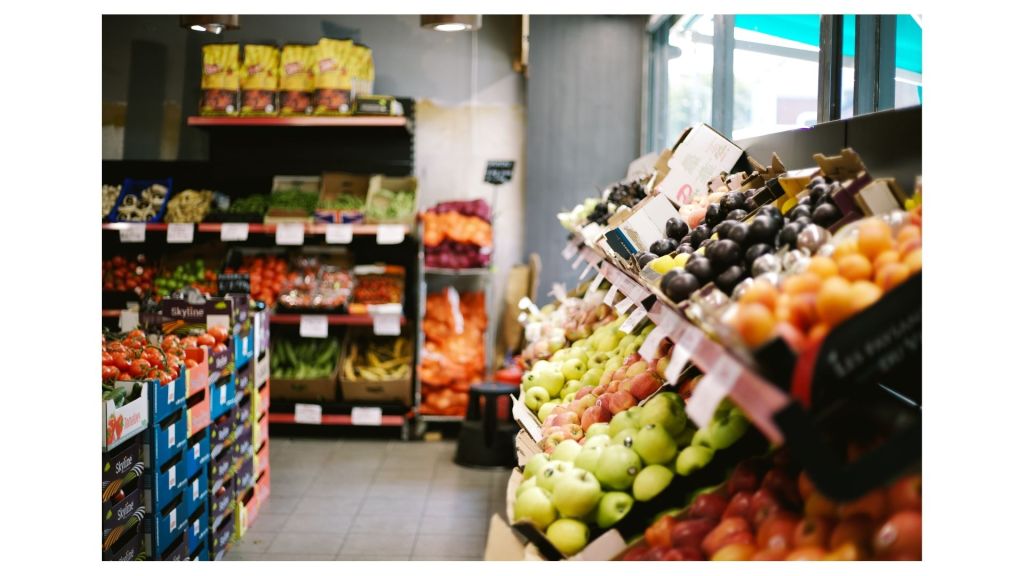
Even if it looks clean, fruit can carry pesticides, microbes, waxes, and even tiny pests. Here’s what you need to know:
Realistic Pests on Common Fruits
In the U.S., certain fruits are more likely to harbor worms or larvae:
- Strawberries & Berries (blueberries, raspberries, blackberries): Tiny fruit fly larvae.
- Apples & Pears: Codling moth larvae (“worms in the apple”).
- Cherries: Cherry fruit fly larvae.
- Peaches & Nectarines: Oriental fruit moth larvae.
- Plums: Plum curculio larvae.
Even conventional fruits can have them, though pesticide use reduces risk.
💀 Pesticides & Chemicals
- Conventional fruit: Synthetic pesticides, fungicides, and sometimes waxes are applied to protect the crop.
- Organic fruit: Natural pesticides may still be present, though usually less toxic.
- Glyphosate: Not typically sprayed directly on fruit, but can appear via weed control in orchards or nearby fields.
💀 Glyphosate: What You Need to Know
- What it is: Glyphosate is the active ingredient in Roundup, a widely used herbicide.
- How it gets on fruit: Through weed control in orchards or nearby crops, or via drift.
- Why it’s concerning:
- Classified as a “probable human carcinogen” by the WHO.
- Linked in some studies to liver and kidney stress, gut microbiome disruption, and other chronic health concerns.
- Residues can persist in the environment and processed foods (like juices or cereals).
- How to reduce exposure:
- Buy organic when possible (glyphosate is not allowed in certified organic farming).
- Wash produce thoroughly with baking soda + water or salt + baking soda soak-washing reduces surface residues, though glyphosate can penetrate plant tissue.
- We’ll discuss glyphosate exposure from your in-home weed control in a future post.
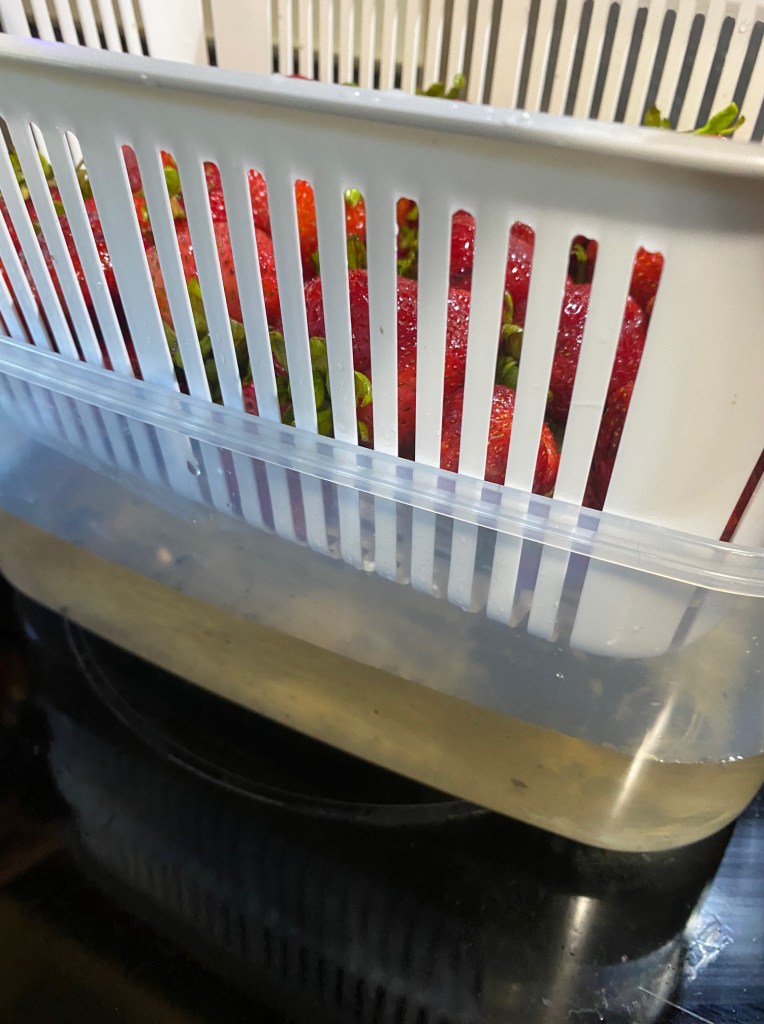
One quick wash… and look what was left behind from a fresh batch of strawberries. After I saw that, I had to share this picture.
Best Way to Wash Your Fruit
- Cold Running Water: Rub gently to remove dirt, bacteria, and some residues.
- Baking Soda + Salt Soak:
- Mix 1 tsp baking soda + 1 tsp salt per 2 cups water.
- Soak for 5–10 minutes, then rinse.
- Effective for pesticide residues and tiny pests in berries and stone fruit.
- Avoid: Soap and bleach!
- There is another product that we also use for some fruits and veggies:
🍋 Truly Free Fruit & Veggie Wash
Truly Free’s Fruit and Veggie Wash is made with grapefruit oil terpenes, a natural degreaser that helps break down grime and residue from transport, along with plant-based citric acid in deionized water.
We like to use this on larger produce with thicker skins as an extra wash-rather than just giving it the quick rinse and towel-off that most people do.
Remember, even when buying from your local farmer, there’s always a risk of cross-contamination during transport or handling. A proper wash helps remove unseen bacteria, dirt, and buildup before it ever reaches your plate.
⚠️ 2025 Dirty Dozen – Fruits & Veggies With Highest Pesticide Residues
The Dirty Dozen is a list compiled annually by the Environmental Working Group (EWG) to highlight the fruits and vegetables most likely to contain pesticide residues. It’s based on USDA testing and now also includes pesticide toxicity, not just frequency or quantity. Items on this list tend to have thin or porous skins, high pest pressure, post-harvest chemical treatments, and are often eaten raw, which is why they pose a higher risk of pesticide exposure. Consumers can use this list to prioritize buying organic for the most contaminated produce.
| Fruit / Veggie | Why It’s on the List |
|---|---|
| Spinach | Broad leaves trap sprays; high toxicity pesticides detected |
| Strawberries | Porous skin; multiple pesticide applications; close to soil |
| Kale, Collard, Mustard Greens | Leafy surface holds multiple pesticides |
| Grapes | Thin skin; cluster growth → heavy fungicide & insecticide use |
| Peaches | Fuzzy skin traps residues; pest-prone → sprayed often |
| Cherries | Target of fruit flies & moths; multiple residues detected |
| Nectarines | Similar to peaches; delicate & pest-prone |
| Pears | Thin, absorbent skin; sprayed for codling moths & fungal infections |
| Apples | Thin skin; coated in wax; multiple pesticide residues detected |
| Blackberries | Soft, clustered fruit; 93% of samples had residues |
| Blueberries | High surface-area-to-volume ratio; sprayed for mold & fruit flies |
| Potatoes | Underground growth absorbs chemicals; 90% of samples had sprout inhibitor residues |
Why these fruits/veggies are on the list: thin or porous skins, high pest pressure, post-harvest chemicals, and eaten raw.
Quick Takeaways for Safer Eating
- Wash all fruit, especially berries, apples, peaches, cherries, and grapes.
- Consider buying organic for Dirty Dozen items if possible.
- Thicker-skinned fruits (like bananas, avocados, pineapples) are generally lower risk.
- Baking soda + salt soak is a simple, effective way to remove residues and pests.
Recommended Tool for Hassle-Free Washing & Storing
5-Piece Large Fruit Straining Containers with Lids – Wash, Drain & Store
Make fruit prep, washing, and storage simple with this 5-piece set of versatile straining containers (similar to the ones that we use but at a better price), perfect for keeping your produce fresh and your fridge organized.
Set Includes:
- 5 containers ranging from 300 ml to 4200 ml (10 oz – 148 oz), suitable for fruits, vegetables, berries, and even meats.
Key Features:
- Keep Food Fresh Longer: Built-in colanders and locking lids create a sealed environment that allows you to rinse and drain water, reducing spoilage and extending freshness.
- Easy to Use: Pre-treat, clean, and store your fruits or veggies, then open anytime to enjoy. Perfect for on-the-go snacks, meal prep, or storing leftovers.
- Stay Organized: Stackable design keeps your fridge or freezer neat and categorized—ideal for fruits, vegetables, berries, or meats.
- Durable, Safe Material: Made from BPA-free, food-grade PP, the containers are safe for temperatures from -22°F to 284°F (-30°C to 140°C). Dishwasher safe (lid excluded), microwave safe (lid excluded), and freezer safe.
- Just as another reminder, wash the lids separately
Tip: Pair with a baking soda + salt soak for fruits and berries to remove pesticide residues and tiny pests before storing. Make sure to drain the water, give it another 1-2 fresh water soaks before storing.
Check out: 5 PCS Large Fruit Containers for Fridge- Leakproof Food Storage Containers with Removable Colander
Whether it’s worms, wax, or pesticides, washing your fruit and vegetables isn’t optional-it’s your first step in protecting your health.
This post may contain affiliate links. That means if you click and make a purchase, I may earn a small commission at no extra cost to you. I only recommend products I personally use and trust. Thank you for supporting my work in keeping this content free and accessible.

 Free Yourself Daily Hub
Leave a comment