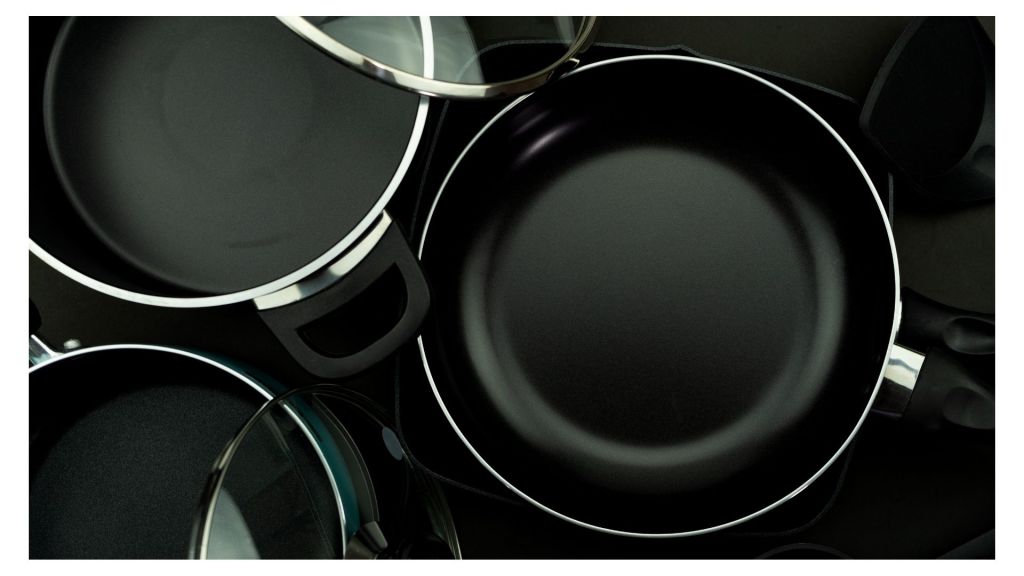
Every day, we’re exposed to hidden toxins without even realizing it. They’re in the air we breathe, the water we drink, and yes – even in the pans we use to cook dinner. For decades, nonstick cookware has been marketed as safe, easy, and convenient. But beneath the smooth surface lies a complicated history of military experiments, chemical controversies, and health risks. Let’s break it down, from the battlefield origins of Teflon to the safer alternatives we can use in our kitchens today.
The History of Teflon: From Battlefield to Kitchen
1938 – The Accidental Discovery
Chemist Roy Plunkett, working at DuPont, accidentally discovered polytetrafluoroethylene (PTFE) while experimenting with refrigerants. The material was unusually slippery, resistant to chemicals, and could withstand high heat.
1940s – A Secret Military Asset
During World War II, PTFE found its first uses:
- The Manhattan Project: PTFE coated gaskets, valves, and seals to handle the highly corrosive uranium hexafluoride gas used in nuclear weapons development.
- Military Vehicles & Tanks: PTFE was applied as a coating for parts in tanks and other heavy machinery because it reduced friction and resisted corrosion under battlefield conditions.
- Radar & Wiring: PTFE’s insulating and heat-resistant properties made it crucial in early radar systems and military communications.
1950s – From War to Home
After the war, French engineer Marc Grégoire, encouraged by his wife, began experimenting with PTFE on cookware. By 1954, he launched the first nonstick pans under the brand Tefal (later T-fal in the U.S.).
1960s–1990s – The Nonstick Boom
Teflon-coated cookware spread rapidly worldwide. It was marketed as a revolutionary way to cook with less oil and less scrubbing. At the same time, PTFE was being used in aerospace, electronics, and even medical devices.
2000s–Present – Lawsuits and “Forever Chemical” Scrutiny
As production scaled, communities near manufacturing plants began reporting contamination from PFOA (C8), a chemical used in PTFE production. Lawsuits revealed health and environmental risks, leading to billion-dollar settlements and stricter regulations. Meanwhile, safer alternatives to PTFE cookware have been on the rise.
The Hidden Dangers of Cookware
The risks of cookware aren’t just about scratches or dents, it’s about the toxic chemicals and metals that can end up in your food, your body, and even the environment.
Nonstick (PTFE / PFOA / PFAS)
- Overheating Risks: Above ~500°F (260°C), PTFE (Teflon) breaks down, releasing toxic fumes. In humans, this can cause polymer fume fever (flu-like symptoms). In birds, these fumes can be fatal.
- “Forever Chemicals”: For decades, PFOA (a PFAS chemical) was used in Teflon production. Even though PFOA was phased out in the U.S., replacement PFAS (like GenX) may not be safer (see below).
- Scratches & Flaking: Damaged coatings can release PTFE flakes and expose the aluminum base, which can leach into acidic foods.
- Environmental Impact: PFAS persist in soil and water, contaminating communities and ecosystems worldwide.
Why PFAS Are Still a Problem
- They’re all “forever chemicals.”
PFAS don’t break down in the environment or the body. They accumulate over time in soil, water, and human tissue, meaning even tiny exposures build up. - Similar structure, similar harm.
PFOA is just one member of the PFAS family. The replacements (like GenX, PFBS, and PFHxA) are chemically similar. - Linked health risks:
- Hormone disruption (especially thyroid and reproductive hormones)
- Infertility and pregnancy complications
- Increased risk of cancers
- Weakened immune system
- High cholesterol and liver damage
- Not well studied, but already concerning.
Many newer PFAS chemicals were quickly introduced into the market without long-term safety studies. Independent research is catching up, and what we know so far points to concerning risks.
BPA in Cookware Accessories
While stainless steel and cast iron themselves don’t contain BPA, plastic lids, handles, or coatings may. BPA and its chemical cousins (like BPS) are hormone disruptors linked to fertility problems, early puberty, metabolic issues, and certain cancers. Choosing cookware with metal or heat-safe silicone handles and lids helps avoid this hidden risk.
Aluminum
- Leaching Risk: Especially reactive with acidic foods (tomatoes, vinegar, citrus).
- Health Concerns: Linked to neurological problems, memory decline, bone weakness, and possible Alzheimer’s connections.
Copper (Unlined)
- Leaching Risk: Excess copper leaches into food.
- Health Concerns: Can cause nausea, vomiting, cramps, and long-term liver or kidney damage.
Stainless Steel (Low-Grade)
- Leaching Risk: Cheaper grades (like 18/0 or 18/8) may release nickel and chromium under high heat or when cooking acidic foods.
- Health Concerns: Nickel can trigger allergic reactions, skin irritation, and cardiovascular issues. Chromium may cause stomach irritation and kidney/liver stress.
Cast Iron
- Leaching Risk: Releases small amounts of iron into food.
- Health Concerns: Beneficial for those with iron deficiency, but harmful for those with hemochromatosis (iron overload), which can damage the liver, heart, and pancreas.
Ceramic (Cheap / Imported)
- Leaching Risk: Poorly made ceramics may contain lead or cadmium in their glaze.
- Health Concerns: Exposure can lead to developmental delays in children, kidney damage, and nervous system issues.
PTFE vs. PFOA vs. PFAS – Clearing Up the Confusion
- PTFE (Polytetrafluoroethylene): The coating itself. Stable at normal temps, but dangerous when overheated or scratched.
- PFOA (Perfluorooctanoic Acid): A chemical once used to make PTFE, now banned in the U.S. due to toxicity.
- PFAS (Per- and Polyfluoroalkyl Substances): The massive chemical family (12,000+ compounds) that includes PFOA. Many “PFOA-free” products still use other PFAS with similar risks.
👉 In short: PTFE is the coating. PFOA was one harmful ingredient used to make it. PFAS are the bigger chemical family — and the problem isn’t over.
The Truth About Cookware Materials
When I bought my first name brand nonstick set, I felt proud. It felt “fancy,” like a big step up from cheap pans. But right away, I was told: “Don’t use high heat, don’t boil water on high.” At the time, I thought it was just about protecting the surface. Now I know it’s because high heat can break down nonstick coatings and release toxins.
And even beyond nonstick, the metal inside your cookware matters.
- Why 18/10 Stainless Steel Is Safer:
- The “18/10” refers to 18% chromium and 10% nickel.
- Chromium resists rust. Nickel strengthens the steel and prevents leaching.
- Lower grades (like 18/0 or 18/8) are more likely to leach nickel or chromium, especially with acidic foods or high heat.
- High-quality 18/10 stainless is food-safe and extremely durable.
- Other Metal Concerns:
- Aluminum: Lightweight but reacts with acidic foods and can leach if not properly coated.
- Copper: Excellent heat conductor, but unsafe unlined, that’s why most copper cookware is stainless- or tin-lined.
- Cheap Stainless Steel: Often has an aluminum core with thin cladding. If it warps or pits, aluminum may leach over time.
Better Cookware Options
If you’re looking to free yourself from toxins, here are three safer choices that balance performance, cost, and durability:
1. Stainless Steel (18/10) – Best Budget-Friendly Choice
- Pros: Durable, chemical-free, versatile. Great for sautéing, browning, and boiling.
- Cons: Food sticks if not preheated or oiled properly. Requires a little learning curve.
- Tip: Choose fully clad 18/10 stainless steel (not just coated) for even heating and longevity.
✨Recommended : Henckels Clad H3 10 piece pot and pan set.– This is the set that my family uses and we love to cook.
✨Value Option: Cuisinart Stainless Steel 11-Piece Set.
2. Ceramic Cookware – Best Nonstick Alternative
- Pros: PTFE- and PFAS-free, naturally slick surface. Safer than traditional nonstick coatings.
- Cons: Less durable; coating may wear down over time, especially with metal utensils or high heat.
- Tip: Look for brands that are certified lead-free and cadmium-free.
3. Cast Iron – Best for Gas Stoves & Heat Retention
- Pros: Incredibly durable, naturally nonstick when seasoned, perfect for searing and baking. Adds a small boost of iron to food (beneficial for some).
- Cons: Heavy, requires seasoning, can rust if not cared for. Too much iron isn’t ideal for everyone.
- Tip: For easier care, try enameled cast iron — it won’t rust and doesn’t need seasoning.
✨Recommended: Lodge 12 Inch Cast Iron Skillet
✨Full Set: Lodge Seasoned Cast Iron 5 Piece Bundle
Final Thoughts
The pans we cook on every day may seem harmless, but the materials they’re made from tell a different story. From Teflon’s beginnings in nuclear labs to its controversies in modern kitchens, it’s clear that convenience has come with hidden costs.
The good news? You don’t have to settle. By choosing safer cookware – stainless steel, ceramic, or cast iron – you can reduce your daily exposure to toxins and cook with confidence.
Free yourself from toxins, one pan at a time.
This post may contain affiliate links. That means if you purchase through one of these links, I may earn a small commission at no extra cost to you. I only recommend products I personally use or trust. Thank you for your support.

 Free Yourself Daily Hub
Leave a comment