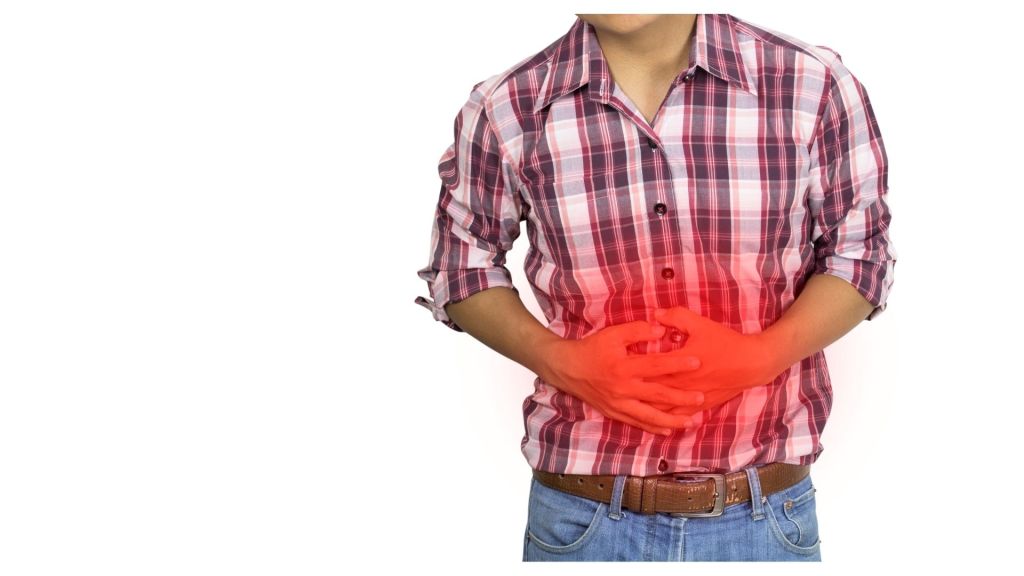
When most people think about health, they focus on exercise, diet, or sleep. But scientists have discovered a hidden driver of well-being: the gut microbiome. This is the community of trillions of bacteria, fungi, and other microorganisms living in your digestive system. And it doesn’t just help you digest food, it affects your immune system, hormones, energy, mood, and even your risk for chronic disease.
The gut is often called the “second brain” because it communicates directly with your central nervous system. When your gut is healthy, your body and mind thrive. When it’s out of balance, the effects can ripple across every part of your life.
You Are a Superorganism
Here’s a fascinating idea: your gut microbiome is essentially its own community of living organisms inside your body. These bacteria and fungi can survive on their own, but inside you, they form a partnership. You provide them food and a place to live, and in return, they help digest food, produce vitamins, regulate your immune system, and even influence your mood.
Because of this partnership, some scientists describe humans as a superorganism — a mix of human cells and microbial cells working together. Microbes in your body actually outnumber your human cells, and their combined genetic material is far more varied than your own DNA. So in many ways, your health depends not just on you, but on the trillions of tiny organisms living inside you.
Friendly Microbes That Help You Thrive
Among the trillions of microbes in your gut, two of the most important groups are Lactobacillus and Bifidobacterium. These friendly bacteria help break down food, produce vitamins, support your immune system, and even influence your mood. They’re often found in fermented foods like yogurt, kefir, kimchi, and sauerkraut, and many probiotic supplements include these strains to help maintain a healthy, balanced gut. Think of them as little helpers working inside you every day to keep your body and mind running smoothly.
What Hurts Your Gut
Several everyday habits can upset this delicate balance:
- Highly processed foods & sugar – Feed harmful bacteria and reduce the diversity of good microbes.
- Seed oils & unhealthy fats – Vegetable oils high in omega-6s (like soybean, corn, and canola oil) can promote inflammation in the gut.
- Alcohol – Chronic drinking disrupts gut bacteria, damages the gut lining, and increases inflammation.
- Antibiotics – While lifesaving when needed, they wipe out both good and bad bacteria. Recovery can take months.
- Stress – High stress levels affect gut movement, barrier function, and microbial balance.
- Poor sleep – Your microbes follow daily rhythms, and lack of sleep can throw them off.
- Environmental toxins – Pesticides, heavy metals, and pollutants can disrupt gut health.
- Sedentary lifestyle – Lack of exercise is linked to reduced microbial diversity.
- Medications like NSAIDs – Over-the-counter anti-inflammatories can irritate the gut lining.
- Low fiber intake – Fiber is food for beneficial bacteria; without it, they starve.
Even short-term changes, like a few days of high-fat, high-sugar eating, can reduce the diversity of your gut microbes.
What Happens When Your Gut Is Unhealthy
A disrupted gut microbiome can affect nearly every part of your body:
Digestive & Immune Health
- Irritable Bowel Syndrome (IBS) – Common symptoms like bloating, gas, and discomfort often stem from microbial imbalance.
- Inflammatory conditions – Chronic gut inflammation can lead to diseases like Crohn’s or ulcerative colitis.
- Weakened immunity – Most of your immune system lives in your gut. Poor gut health makes it harder to fight infections and can increase the risk of autoimmune issues.
Metabolism & Weight
- Weight gain & obesity – Unbalanced gut bacteria can affect how your body stores fat and uses energy.
- Blood sugar issues – Microbiome disruption can contribute to insulin resistance and type 2 diabetes.
Nutrient Absorption
- Poor gut health can make it harder to absorb key nutrients like vitamin B12, iron, vitamin D, magnesium, and zinc, leading to fatigue, poor immunity, and mood problems.
Mental Health & Brain Function
- Mood & anxiety – Most of your body’s serotonin (the “feel-good” chemical) is made in the gut. A disrupted microbiome can contribute to depression, anxiety, and brain fog.
- Cognitive decline – Emerging research links gut imbalance to neurodegenerative diseases like Alzheimer’s and Parkinson’s.
- Behavior & focus – Gut bacteria may even influence attention, hyperactivity, and overall mental clarity.
Inflammation & Chronic Disease
- Leaky gut – Harmful particles can enter the bloodstream, triggering inflammation.
- Heart health – Certain gut bacteria convert food components into compounds that may raise cardiovascular risk.
- Liver health – Gut imbalance contributes to fatty liver disease and liver inflammation.
- Cancer risk – Chronic inflammation from poor gut health may play a role in colorectal and other cancers.
How to Support Your Gut
The good news: your gut is resilient. With the right habits, you can restore balance:
- Eat fiber-rich foods – Fruits, vegetables, legumes, and whole grains feed beneficial bacteria.
- Include fermented foods – Yogurt, kefir, kimchi, sauerkraut, miso, and kombucha help replenish microbes.
- Exercise regularly – Movement supports microbial diversity and reduces inflammation.
- Manage stress – Meditation, deep breathing, and spending time in nature help keep your gut and brain healthy.
- Prioritize sleep – 7–9 hours each night keeps your microbes in rhythm.
- Use antibiotics responsibly – Only when prescribed, and consider probiotics afterward.
- Limit alcohol & seed oils – Reducing chronic alcohol and high omega-6 oils lowers gut inflammation.
Even small changes – adding more vegetables, taking a short walk, or getting consistent sleep – can have a noticeable impact over time.
Final Thoughts
Your gut isn’t just about digestion. It’s a central hub for your immune system, energy, mental health, and overall well-being. When you take care of your microbiome, you’re supporting an entire internal ecosystem, a superorganism that lives inside you and shapes how you feel, think, and function every day.
Small, consistent habits can make a big difference. By nurturing your gut, you’re not only improving digestion, you’re boosting your mood, energy, and long-term health.

 Free Yourself Daily Hub
Leave a comment